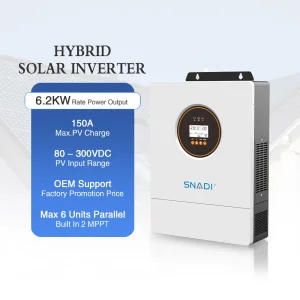
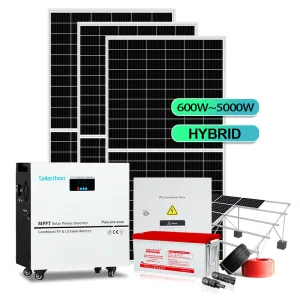
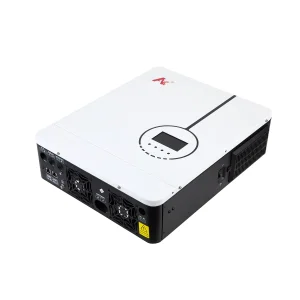
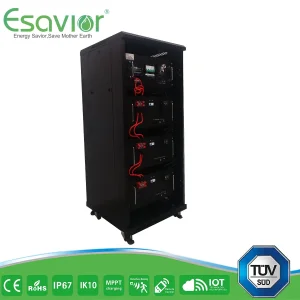
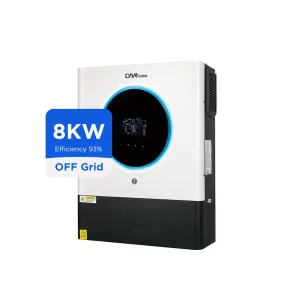
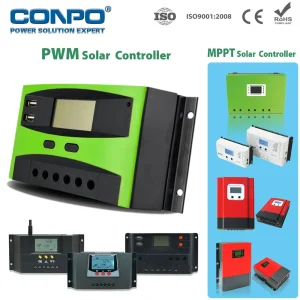
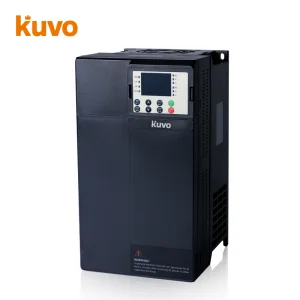
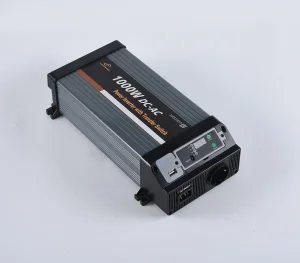
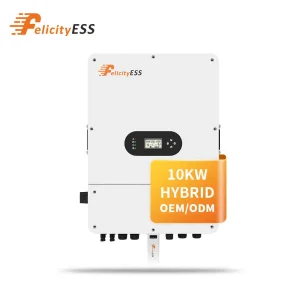
Explore our top four PV conversion systems optimized for immediate implementation in high-humidity maritime warehouses and off-grid utility scenarios across Busan Metropolitans.
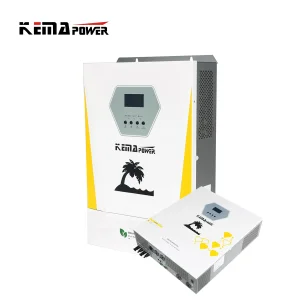
Busan, South Korea’s largest port city and a key global marine logistics center, is implementing aggressive decarbonization initiatives. Under the municipal 2050 Carbon Neutrality Strategy, industrial areas like the Noksan Industrial Complex, Mieum Industrial Complex, and the Busan Science & Industrial Park are rapidly converting high-energy-demand factories into smart, PV-powered manufacturing systems.
The convergence of port maritime operations and heavy machinery assembly requires robust, grid-interactive solar frameworks. Our supply of advanced, intelligent solar inverters and MPPT charge controllers addresses these high-reliability environments, allowing industrial complexes to capture solar power with maximized efficiency and feed clean energy back to local distribution networks managed by the Korea Electric Power Corporation (KEPCO).
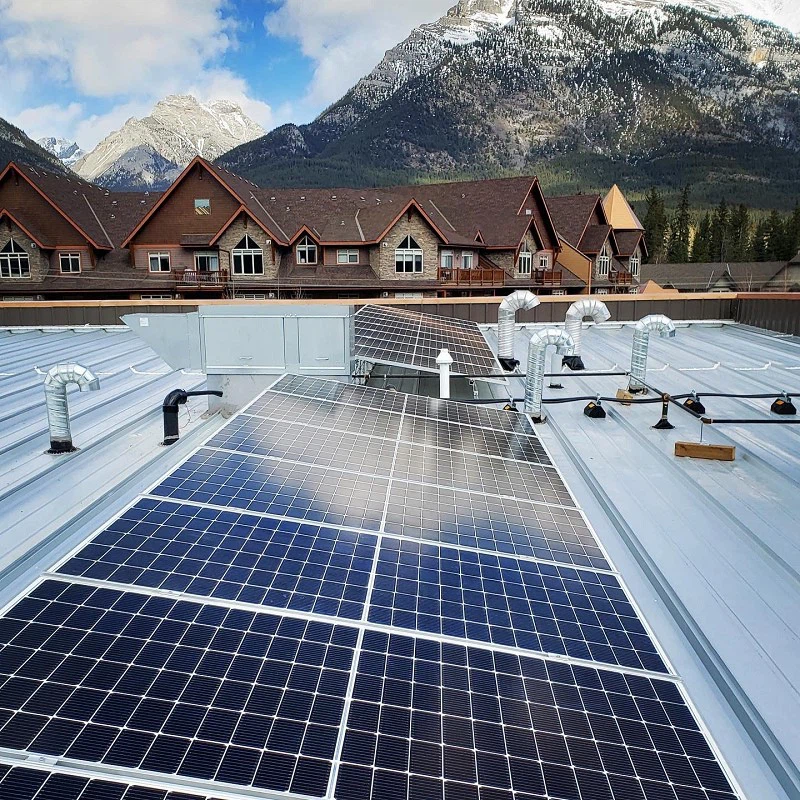
Coastal climates pose severe threats to solar power electronics. Marine environments in Busan exhibit high atmospheric salinity, elevated humidity, and rapid temperature fluctuations that can degrade internal electronics.
Standard solar inverters often fail prematurely in coastal environments due to salt-mist deposits, which lead to trace-level electrical shorts on printed circuit boards (PCBs). Our industrial-grade systems feature several critical protective layers:
| Environmental Factor | Standard Inverter Spec | ApexSun Coastal-Grade Spec |
|---|---|---|
| IP Protection Rating | IP20 / IP54 | IP65 / IP66 Enclosures |
| Corrosion Resistance | Class 3C2 (Mild) | Class 3C3 / 3S3 (Severe Maritime) |
| Cooling Topologies | Standard Internal Fans | Isolated External Heat Sinks + Liquid Cooling options |
| Grid Protection | Basic Anti-Islanding | Advanced LVRT / HVRT, Power Quality Adjustment |
As Busan transitions to a smart city architecture, industrial solar infrastructure must integrate with Virtual Power Plant (VPP) systems. Our MPPT (Maximum Power Point Tracking) algorithms dynamically track volatile PV curve changes caused by sea fog, cloud cover, and coastal weather variations.
Equipped with high-performance Silicon Carbide (SiC) MOSFET switches, these units achieve up to 98.8% efficiency. They provide real-time Modbus, CAN, or Ethernet data links to edge-computing terminals, enabling integration into local energy management systems (EMS) and utility smart grids.
Our inverters are designed to support KEPCO utility frequency regulations:
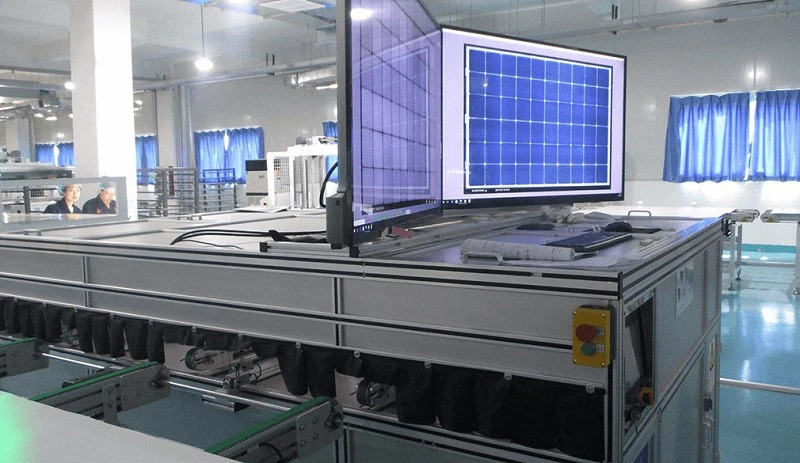
Founded in the early 2000s, Hangzhou ApexSun Solar Co., Ltd. has over 20 years of experience in producing high-quality photovoltaic production equipment. The company started out as a small workshop, specializing in the production of cell string welding machine. Since then, it has grown to become one of the leading manufacturers in the region.
Hangzhou ApexSun Solar Co., Ltd.'s success is attributed to its commitment to excellence, continuous innovation, and a focus on customer satisfaction. The company invests a significant amount of resources in research and development, allowing it to develop more efficient solar production equipment.
Over the years, Hangzhou ApexSun Solar Co., Ltd. has diversified its product to include a wide range of photovoltaic equipment and solar energy systems. The company's products are highly regarded for their performance, durability, and longevity, ensuring customers a reliable production equipment and sustainable source of energy.
Hangzhou ApexSun Solar Co., Ltd.'s growth has not only been limited to its product category but also to its production capacity. The company has expanded its manufacturing facilities to include state-of-the-art production lines and advanced manufacturing technologies. This has allowed Hangzhou ApexSun Solar Co., Ltd. to increase its production capacity while maintaining the high quality standards that have made it a market leader.
Today, Hangzhou ApexSun Solar Co., Ltd. is a well-established and respected player in the solar energy industry. Its products are exported to various countries around the world, and the company has built a strong reputation for its commitment to quality, innovation, and customer satisfaction. With its rich history and continued growth, Hangzhou ApexSun Solar Co., Ltd. remains a leading manufacturer of photovoltaic energy and is committed to promoting the use of renewable energy in the years to come.
Review our next eight specialized systems, featuring rugged engineering, advanced communications interfaces, and robust multi-phase conversion topologies for diverse loads.
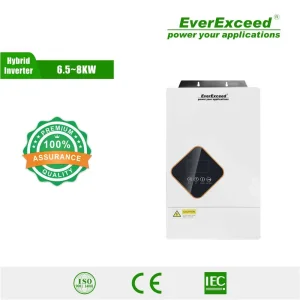
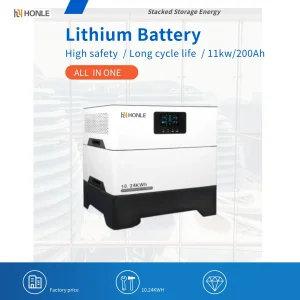
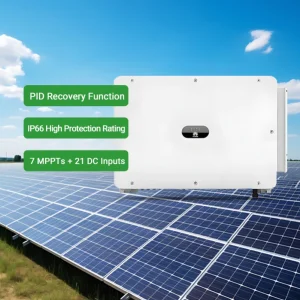
Deploying solar projects in South Korea requires compliance with Korea Energy Agency (KEA) standards and KEPCO interconnection criteria.
Our products align with KS C 8564 (for grid-connected PV inverters up to 250 kW) and KS C 8565 standards, helping to ensure streamlined permitting and approval phases with local regulatory bodies.
Designed to meet KEPCO guidelines for anti-islanding protection, frequency drift detection, power quality maintenance, and low total harmonic distortion (THD < 3%).
Features integrated DC arc-fault circuit breakers (AFCI), high-capacity surge protection devices (SPDs), and insulation monitoring detectors (RCMU) to safeguard operations.
Explore our custom-built models, wall-mounted energy storage system (ESS) integrations, and three-phase industrial variants engineered for localized resilience.
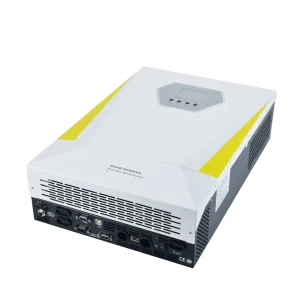
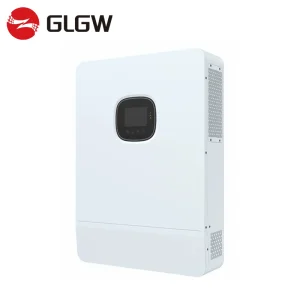
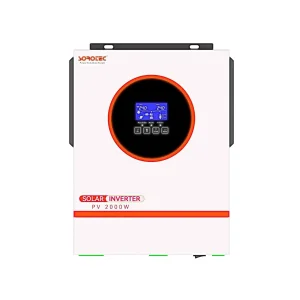
ApexSun’s logistical network offers streamlined sea freight routing directly from nearby ports to the Port of Busan. We provide custom clearance documentation, Certificate of Origin paperwork, and technical verification reports to expedite import processing.
Our technical consulting teams collaborate with South Korean EPC contractors to assist with hardware sizing, telemetry configuration, and KEPCO network approval. This helps to ensure seamless field commissioning, minimize delay risks, and protect system return on investment.
Answers to common engineering queries regarding solar inverter deployments, grid standards, and environmental considerations.
Busan’s coastal geography exposes power electronics to high relative humidity and salt aerosol deposits. IP65 and IP66 enclosures isolate internal circuitry, preventing conductive pathways, corrosion, and sudden short circuits caused by moisture and salt accumulation.
Yes, our industrial and hybrid series are built to comply with KEPCO integration requirements. They feature active voltage and frequency regulation, low-voltage ride-through (LVRT), and advanced anti-islanding mechanisms to align with Korea's utility connection standards.
Coastal weather in Busan often results in microclimates with variable cloud cover and maritime mist, leading to uneven solar irradiance. Multi-channel MPPT (Maximum Power Point Tracking) controllers optimize energy harvest by managing separate solar module strings independently, minimizing power drops from localized shading.
Typically, production and container dispatch take between 15 to 30 days depending on system customization. Given the proximity of our shipping hubs, transit times to Busan Port are fast, often taking only 2 to 4 days once cargo is loaded.
Connect with our technical design team to outline your electrical engineering requirements, request CAD schematics, or request custom pricing for projects in Busan and surrounding areas.
 ApexSun Solar