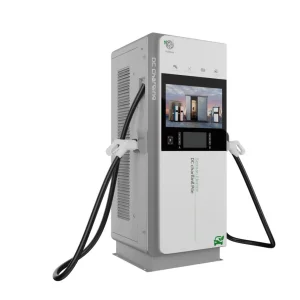
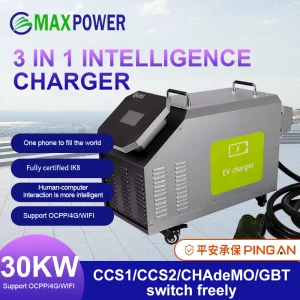
Engineered for high-temperature durability, off-grid autonomy, and extreme dust resistance. Optimized for urban centers and remote logistical routes.
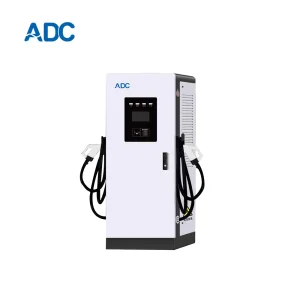
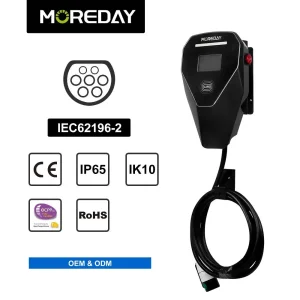
The Central African Republic (CAR) presents a unique macro-economic and geographical profile that makes decentralized solar energy the most logical path toward green mobility. In regions like Bangui, Bimbo, and Berberati, traditional utility-scale electrical grids face structural challenges, including rolling blackouts, generation shortfalls, and transmission bottlenecks managed by ENERCA (Énergie Centrafricaine). By bypassing legacy grid dependencies altogether, industrial enterprises, non-governmental organizations (NGOs), and commercial logistics fleets can utilize off-grid and hybrid Solar EV charging stations to secure operational autonomy, lock in predictable fuel costs, and eliminate downtime.
Central Africa enjoys high levels of global horizontal solar irradiance (GHI), often averaging between 4.8 to 5.5 kWh/m²/day. This massive natural resource is the foundation of our engineering architecture. ApexSun's solar EV charging stations are built to capture this energy efficiently via high-efficiency mono-crystalline photovoltaic arrays, integrated maximum power point tracking (MPPT) technology, and robust Battery Energy Storage Systems (BESS). This setup ensures high-power DC fast charging even during periods of heavy cloud cover or overnight operation, mitigating the volatility of the local power grid.
Standard EV chargers designed for temperate climates often fail under the extreme conditions of Central Africa. The combination of intense heat, prolonged wet seasons, and high levels of airborne dust requires specialized engineering standards. ApexSun's hardware architecture addresses these issues directly:
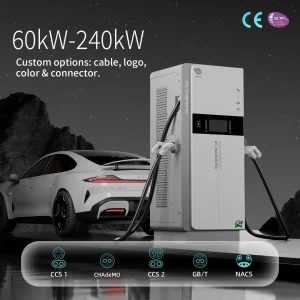
For multinational entities, diplomatic missions, and extraction corporations operating in CAR, importing infrastructure requires verified compliance and dependable international shipping. ApexSun manages the logistics pipeline from our manufacturing facilities through key transport corridors (such as shipping routes through the Port of Douala and overland transport to Bangui) with robust packaging and pre-shipment inspections. Our charging interfaces comply with European Standard Type 2 AC connections and CCS2 DC fast-charging protocols, which align with the dominant vehicle specifications used across Africa.
Our hybrid stations operate in three distinct configurations depending on user requirements: fully off-grid with dedicated BESS, grid-tied solar-assist to reduce utility bills, and smart-hybrid setups that blend PV, battery storage, local utility power, and auxiliary diesel backup. By prioritizing solar and storage, these stations ensure that even if the municipal grid suffers an outage, electric vehicle fleets keep running. This structure protects users from rising fuel prices and diesel supply chain disruptions in regional markets.
Founded in the early 2000s, Hangzhou ApexSun Solar Co., Ltd. has over 20 years of experience in producing high-quality photovoltaic production equipment. The company started out as a small workshop, specializing in the production of cell string welding machines. Since then, it has grown to become one of the leading manufacturers in the region.
Hangzhou ApexSun Solar Co., Ltd.'s success is attributed to its commitment to excellence, continuous innovation, and a focus on customer satisfaction. The company invests a significant amount of resources in research and development, allowing it to develop more efficient solar production equipment.
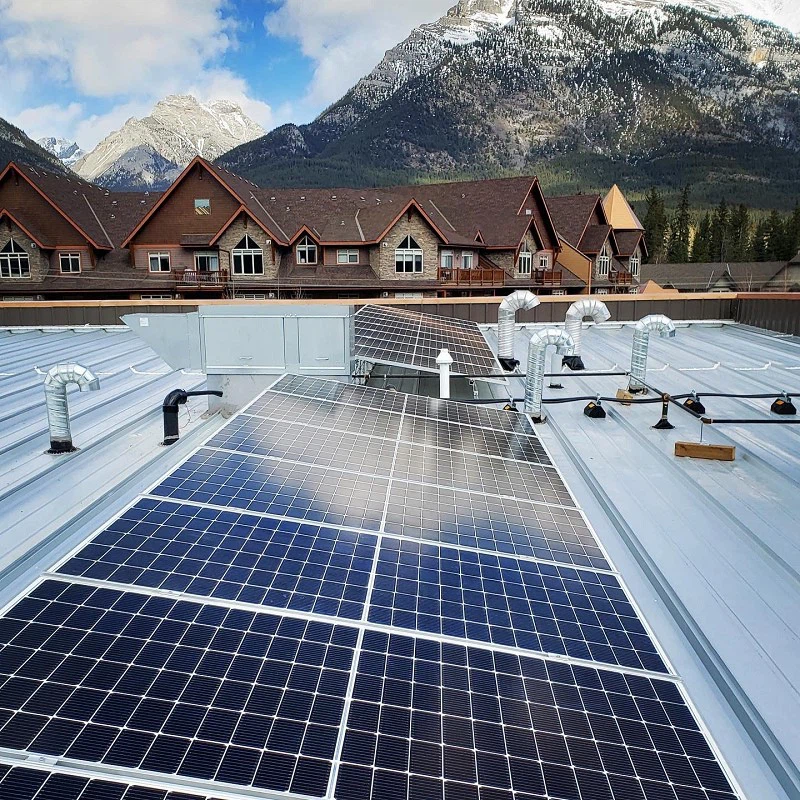
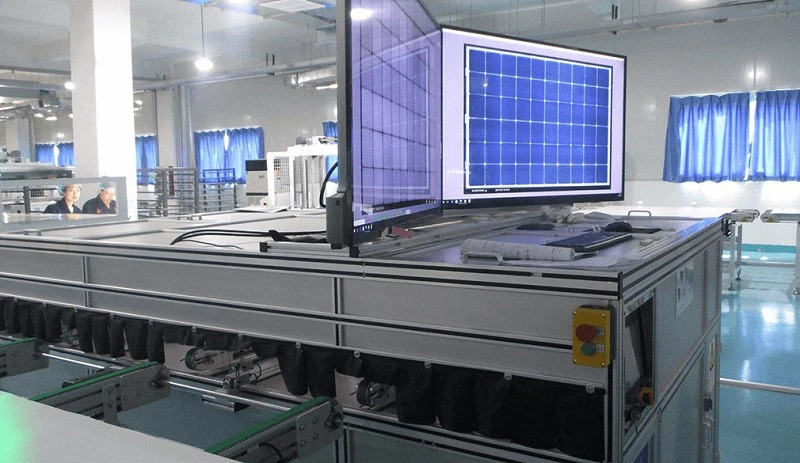
Over the years, Hangzhou ApexSun Solar Co., Ltd. has diversified its products to include a wide range of photovoltaic equipment and solar energy systems. The company's products are highly regarded for their performance, durability, and longevity, ensuring customers reliable production equipment and a sustainable source of energy.
Hangzhou ApexSun Solar Co., Ltd.'s growth has not only been limited to its product category but also to its production capacity. The company has expanded its manufacturing facilities to include state-of-the-art production lines and advanced manufacturing technologies. This has allowed Hangzhou ApexSun Solar Co., Ltd. to increase its production capacity while maintaining the high quality standards that have made it a market leader.
Today, Hangzhou ApexSun Solar Co., Ltd. is a well-established and respected player in the solar energy industry. Its products are exported to various countries around the world, and the company has built a strong reputation for its commitment to quality, innovation, and customer satisfaction. With its rich history and continued growth, Hangzhou ApexSun Solar Co., Ltd. remains a leading manufacturer of photovoltaic energy and is committed to promoting the use of renewable energy in the years to come.
Explore our complete range of AC and DC solar charging stations, battery swap cabinets, and portable power bank chargers designed for heavy-duty deployments.
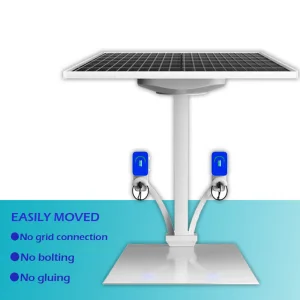
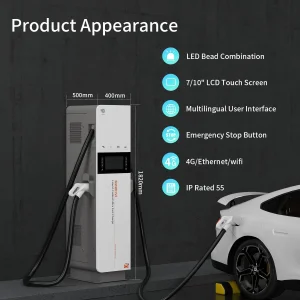
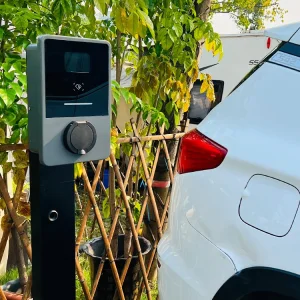
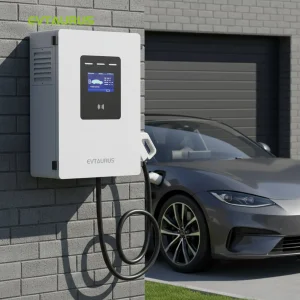
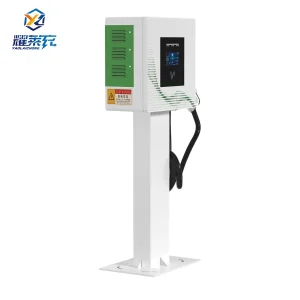
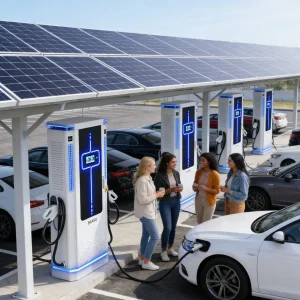
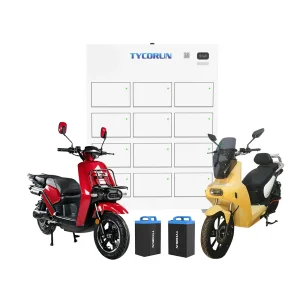
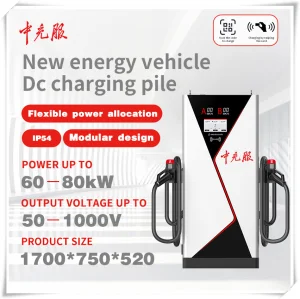
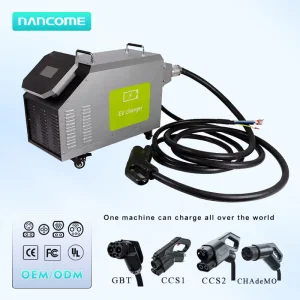
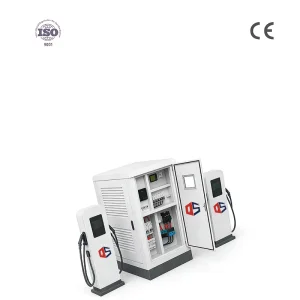
Detailed technical specifications and site configuration methodologies optimized for off-grid operations in Sub-Saharan conditions.
For installations in regions without stable grid access, we recommend an island-mode configuration. In this setup, the photovoltaic array connects directly to high-voltage MPPT charge controllers, which regulate power flow to a central battery energy storage system (BESS). The battery pack serves as the system's power hub, stabilizing DC bus voltage and supplying continuous energy to our 120kW to 400kW DC fast-charging terminals. This design isolates vehicles from voltage spikes or grid dropouts, safeguarding onboard EV electronics and guaranteeing continuous charging operations.
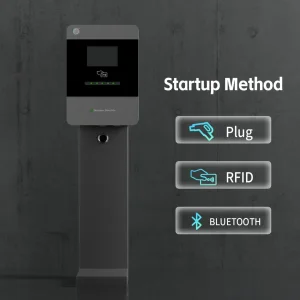
Our control units use OCPP 1.6J protocols (upgradeable to OCPP 2.0.1) over dual-SIM 4G LTE or local satellite connections, allowing operators in remote sites to monitor charging speeds, track energy usage, and manage user access via RFID systems. Real-time diagnostic data helps identify thermal anomalies or dust accumulation on solar modules before they impact system performance.
Project execution in the Central African Republic requires managing long transit times and remote installation settings. ApexSun addresses these challenges through modular, containerized shipping options. Our large-scale systems (like the 250/600kW Solar Power Bank and Liquid-Cooled Charger systems) are pre-assembled, wired, and tested inside ISO-standard shipping containers before leaving our plant. This reduces on-site installation work to preparing foundations, mounting the structures, and making external cable connections, minimizing the need for specialized construction equipment in remote locations.
Essential technical and business insights for engineers, project managers, and procurement officers deploying solar charging infrastructure in Central Africa.
 ApexSun Solar