In recent years, the adoption of solar energy has surged, particularly in remote locations. Why is solar energy suitable for remote locations? According to a 2022 report by the International Renewable Energy Agency (IRENA), approximately 1.1 billion people lack access to electricity. Remote areas often face high infrastructure costs. Traditional energy sources are hard to reach, making solar energy an appealing alternative.
Solar panels are becoming more efficient and affordable. In fact, the average cost of solar modules has dropped by around 90% over the last decade. This drastic decline has made solar solutions feasible for remote communities. Additionally, solar energy systems require minimal maintenance, making them practical for areas with limited technical support. However, these systems are not without challenges. Some regions may struggle with limited sunlight due to seasonal weather.
Investing in solar technology creates reliable and sustainable power. Furthermore, it fosters local economic growth. Reports indicate that off-grid solar initiatives can create jobs and improve livelihoods in isolated areas. Nevertheless, the implementation must be carefully managed to avoid overreliance on this energy source. Balancing solar energy with other forms of renewable energy could optimize its benefits.
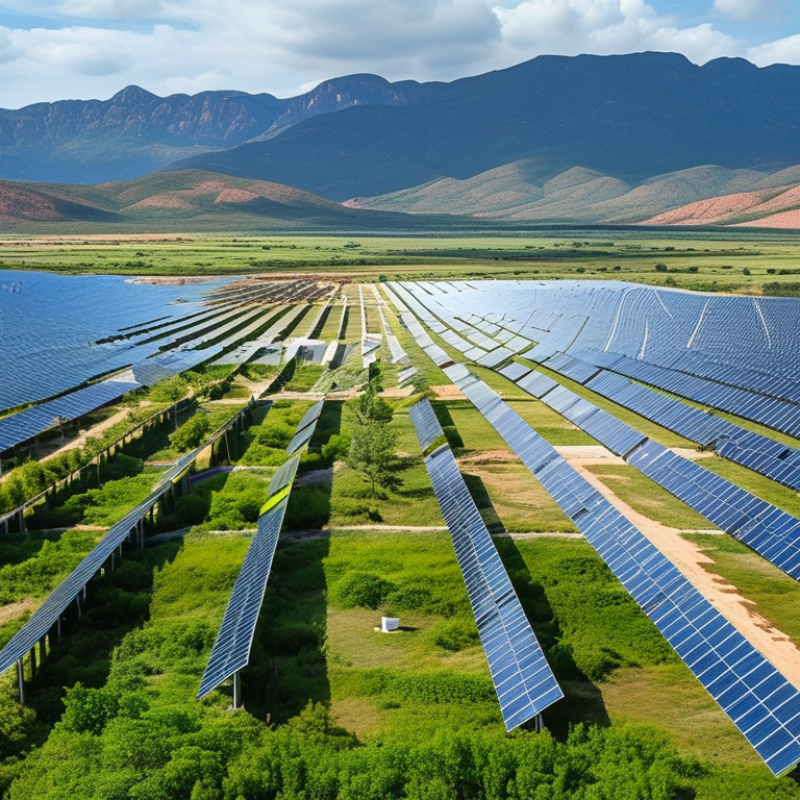
Solar energy offers unique advantages for remote areas. The growing need for sustainable energy solutions in places far from traditional power sources makes solar an ideal choice. According to the International Energy Agency, over 1.1 billion people lack access to electricity. For these communities, solar can provide a reliable power source without heavy infrastructure investments.
In remote locations, solar installations are relatively easy to set up. They require minimal maintenance and can be scaled according to local needs. The National Renewable Energy Laboratory reports that the levelized cost of solar power has dropped by about 89% since 2009. This cost-effectiveness is crucial for isolated areas, where energy costs can be prohibitively high.
However, challenges remain. Variability in sunlight can affect energy production, making battery storage essential. Local capacity for technical maintenance is also important. Developing these skills can create local jobs, but it requires investment and training. Balancing immediate energy needs with long-term sustainability will require thoughtful planning and community engagement.
Solar energy is particularly beneficial in remote areas due to its cost savings, energy independence, low maintenance, positive environmental impact, and reliability as a power source. This chart illustrates the key advantages of using solar energy in such locations.
Accessing traditional energy sources in remote locations poses significant challenges. Infrastructure is often inadequate, making it hard to deliver fuel or electricity. Many remote areas lack roads, and existing utilities may not extend to these regions. This results in high costs and delayed solutions. According to the International Energy Agency (IEA), around 789 million people still lack access to electricity, mostly in remote areas.
Reliability of energy sources is another concern. Conventional energy systems can fail due to weather or political instability. In contrast, solar energy remains consistent and can be harnessed almost anywhere. Solar panels can be installed quickly and do not require extensive infrastructure, making them ideal for isolated communities.
Tip: When considering solar energy, assess local sunlight availability. This can impact the efficiency of solar installations. Additionally, focus on integrating battery storage. This ensures energy availability during nighttime or cloudy days. Some communities face challenges in switching to solar; initial costs and supply chain issues can hinder progress. It’s essential to evaluate long-term benefits against short-term hurdles.
Solar energy stands out as a viable solution for isolated locations. Many remote areas lack access to traditional energy grids. This limitation drives the need for alternative solutions. Solar panels can be deployed almost anywhere. They require minimal infrastructure to operate. Additionally, they harness renewable energy, reducing reliance on fuel transport.
Cost-effectiveness is a major factor in choosing solar installations. Initial setup costs can be high, yet they pay off over time. Minimal maintenance is needed, which reduces ongoing expenses. Without energy bills from distant power plants, users can save significantly. Remote communities can also secure funding and grants, making installations more affordable.
Reliability is crucial in remote settings. Solar power functions independently of weather fluctuations. However, energy storage systems must be robust. Fluctuations in energy production may occur at night or during storms. This requires careful planning and resource allocation. Solar energy solutions should be flexible, allowing for adjustments based on local needs. It’s essential to understand these nuances for successful implementations.
Remote locations often face unique challenges for energy supply. These areas may lack infrastructure for traditional energy sources. Solar power presents an ideal solution. It harnesses the sun's energy, which is abundant and global. The environmental benefits are significant.
Using solar energy reduces reliance on fossil fuels. This transition cuts greenhouse gas emissions, which contribute to climate change. Additionally, solar panels can be installed with minimal disturbance to the local ecosystem. They do not require extensive land clearing. This is critical for fragile environments.
Moreover, solar energy promotes sustainability in remote areas. It empowers communities to become energy independent. This can lead to a reduction in transportation emissions since less fuel needs to be brought in. However, challenges remain. Installation can be costly. Maintenance in harsh environments may be demanding. Communities must consider their unique circumstances. The benefits of solar energy are clear, but proper planning is essential.
Solar energy is becoming increasingly viable for remote locations. Technological innovations play a key role in this transformation. Advances in photovoltaic cells have improved efficiency dramatically. These modern panels are lighter and more durable, making transport easier.
Energy storage solutions are also evolving. New battery technologies allow for better retention of solar energy. These batteries can store excess energy generated during sunny days. Users then access stored energy during nighttime or cloudy conditions.
Despite these advancements, challenges remain. Initial costs for solar installations can be high. Maintenance and repair in remote areas may pose logistical issues. Educating local communities about solar benefits is essential. The right support and training can enhance acceptance and usage. As technology progresses, solar energy's potential in isolated regions continues to grow.
: Solar energy provides a reliable power source without heavy infrastructure, essential for communities lacking electricity.
Solar installations are relatively simple to set up and can be scaled according to local needs.
The cost of solar power has dropped by about 89%, making it more affordable for isolated areas.
Variability in sunlight can affect production, and strong battery storage is essential for reliability.
Local maintenance capacity is crucial, but developing these skills needs investment and training.
Yes, solar reduces reliance on expensive fuel transport, leading to significant savings over time.
Communities must balance immediate needs with long-term sustainability through careful planning and engagement.
Solar energy can be less reliable during storms; robust energy storage systems are necessary to manage fluctuations.
Yes, remote communities can often secure grants and funding to make solar installations more affordable.
Each community has unique needs, and successful implementation requires understanding local nuances and flexibility.
Solar energy presents a compelling solution for remote locations due to its numerous advantages and inherent challenges associated with traditional energy sources. One key factor is why solar energy is suitable for remote locations: it provides a reliable and sustainable power source where access to the electrical grid is limited or nonexistent. The deployment of solar installations in isolated areas not only curbs fuel transportation costs but also offers a significant reduction in greenhouse gas emissions, making it an environmentally friendly option.
Furthermore, advancements in solar technology enhance its feasibility in these settings by improving efficiency and reducing the overall cost of installation. This combination of cost-effectiveness and environmental benefits makes solar power an ideal choice for off-grid communities, allowing them to harness abundant natural resources while fostering energy independence and sustainability in the face of global energy challenges.

ApexSun Solar