A solar battery should store daytime energy for evening use, not empty before dinner. Yet many homeowners notice the charge dropping rapidly after sunset. If you are asking, “Why is my solar battery draining quickly,” the answer may involve several connected issues.
High household demand is a common cause. An electric water heater, heat pump, refrigerator, or battery charger can consume more energy than expected. A small standby load may also continue running overnight. Check your inverter app and compare evening consumption with the battery’s usable capacity. A simple reading often reveals more than guesswork.
Battery age matters. Most lithium batteries gradually lose capacity through normal cycling, heat, and time. Cold weather can temporarily reduce performance, while excessive heat may accelerate degradation. Incorrect settings can create similar symptoms, especially when reserve levels, charge limits, or operating modes are poorly configured. Solar panels may also produce less energy because of shade, dirt, damaged wiring, or seasonal sunlight.
A qualified solar installer can test the system safely. They can inspect error codes, voltage readings, battery health, and inverter communication. Do not open battery enclosures or alter electrical connections without proper training. Some explanations may overlap, and the first suspected cause is not always correct. I have seen monitoring data challenge an owner’s initial assumption. That is why several days of measured usage can be more reliable than one unusually bad night. Careful diagnosis protects the battery, reduces wasted energy, and helps restore realistic expectations about overnight backup.
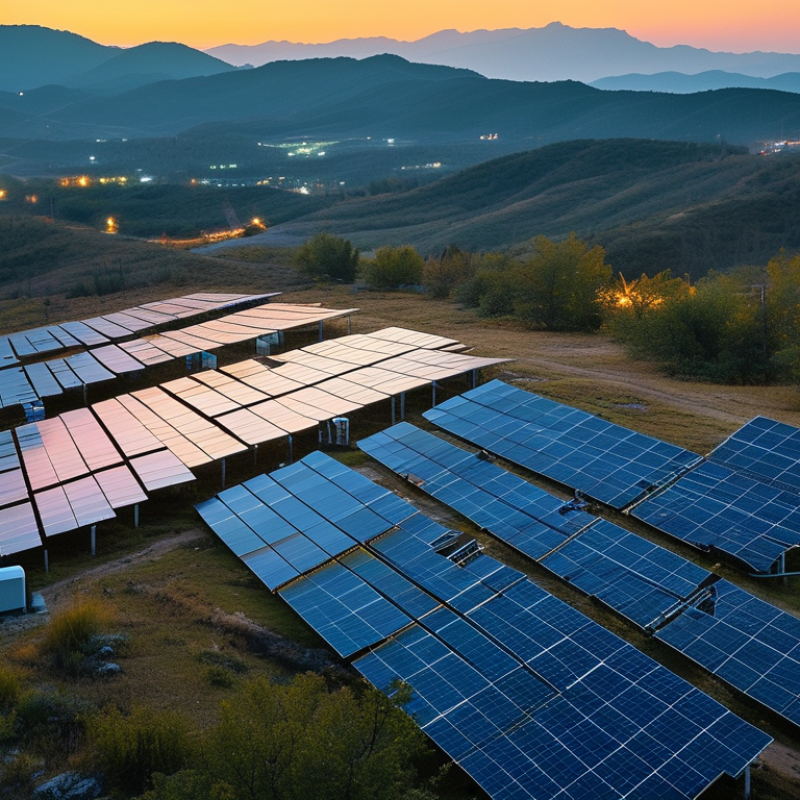
Why Is My Solar Battery Draining So Fast?
Solar batteries do not simply “hold” electricity. During daylight, solar panels produce direct current, while an inverter changes it into usable household power. The battery stores energy through a chemical reaction. Later, it releases that energy when appliances need it. This process is not perfectly efficient. Heat, conversion losses, standby controls, and wiring can reduce the available power.
A fast decline may come from evening loads rather than the battery itself. Refrigerators, water heaters, pumps, and vehicle chargers can consume energy quietly. Cloudy weather also means the battery starts with less stored power. In practical inspections, monitoring errors sometimes make the drop look worse than it is. An aging battery may show 20 percent, then fall rapidly under heavy demand. I would not blame the battery immediately. Check the energy flow first. A qualified installer should test unusual voltage changes, error messages, and repeated shutdowns.
Tips: Record the battery level at sunset and bedtime for several nights. Compare those readings with your home’s overnight consumption. Turn off unnecessary loads, especially heating devices and chargers. Keep the emergency reserve appropriate for your household. Review the battery’s settings and maintenance guidance. Small details matter.
Why Is My Solar Battery Draining So Fast?
Common Reasons a Solar Battery Drains Quickly
A solar battery may drain quickly because your household uses more electricity than expected. Overnight heating, water pumps, refrigerators, and network equipment can quietly consume stored power. Check the battery monitor after sunset, then compare its reading with your home’s electricity meter. A 2 a.m. load test often reveals the real cause. Not every fast drop signals failure.
Low sunlight is another common reason. Cloudy weather, winter shadows, dirty panels, or partial roof shading can reduce daily charging. A battery may appear weak simply because it never reached a full charge. Review several days of solar production rather than judging one afternoon. That assumption can waste money.
Battery age, high temperatures, and incorrect operating settings also matter. Some systems reserve energy for outages, while others discharge deeply to reduce grid use. Inspect the reserve percentage, discharge limit, and time-of-use schedule. Keep the battery area within the manufacturer’s recommended temperature range. If the battery falls sharply while appliances are off, record the time and charge level. An electrician should test wiring, sensors, and inverter performance. I would not reset protection settings without technical guidance. Small monitoring errors can also mislead homeowners, especially after a recent system update.
| Common Cause | How It Causes Fast Drainage | Typical Signs | What to Check | Recommended Action |
|---|---|---|---|---|
| High household loads | Large appliances, electric heating, pumps, or vehicle charging can consume stored energy faster than expected. | The state of charge falls rapidly when several appliances operate at the same time. | Review the inverter load display and identify high-power devices running overnight. | Reduce simultaneous loads, use timers, and move flexible consumption to daylight hours. |
| Insufficient solar charging | Cloud, seasonal sunlight, shading, dirt, or short winter days may leave the battery undercharged. | The battery begins the evening below its normal state of charge and reaches reserve early. | Compare daily solar production with historical values and inspect panels for shade or dirt. | Remove avoidable shading, clean panels safely, and have the solar system inspected if production remains low. |
| Continuous standby consumption | The inverter, communications equipment, networking devices, refrigeration, and other always-on loads consume energy even when the home appears inactive. | The battery loses charge steadily through the night with little visible appliance use. | Check overnight power demand and isolate circuits one at a time where safe. | Switch off unnecessary devices and ask a qualified electrician to investigate abnormal base loads. |
| Battery capacity loss with age | Repeated charge cycles, time, and operating conditions gradually reduce the amount of energy the battery can store. | Runtime is noticeably shorter than when the system was new, even with similar loads and solar production. | Compare current usable capacity and cycle history with the battery manufacturer's specifications. | Arrange a capacity or health test and replace the battery when its condition is no longer suitable. |
| Extreme temperature | High or low temperatures can reduce available capacity and may cause the battery management system to limit charging or discharging. | Performance changes with weather, or charging and discharging stop during temperature alerts. | Check the battery temperature, ventilation, installation location, and system alerts. | Keep the battery within its specified operating range and improve ventilation or temperature control when required. |
| Reserve or backup settings | A high reserve setting can make less stored energy available for normal use, creating the impression of rapid drainage. | The system stops supplying loads at a predictable percentage and keeps energy in reserve. | Review minimum state-of-charge, backup reserve, and operating-mode settings. | Adjust settings only within the limits recommended for the battery and backup requirements. |
| State-of-charge measurement error | An inaccurate meter, incomplete calibration, or communication problem can make the displayed percentage differ from actual stored energy. | The displayed percentage drops suddenly or does not match actual runtime. | Compare inverter readings, battery-management data, voltage, and recent charge history. | Check communications and request professional recalibration or diagnostic testing. |
| Battery or inverter fault | A hardware fault, wiring issue, protection event, or inverter inefficiency can restrict charging or increase energy losses. | Error codes, unexpected shutdowns, abnormal noise, overheating, or repeated protection warnings. | Review system logs and inspect visible cables, breakers, and warning indicators without opening equipment. | Stop using equipment that is hot, damaged, or producing unusual odors, and contact a qualified technician. |
| Lead-acid battery maintenance issues | For applicable lead-acid systems, chronic undercharging, sulfation, low electrolyte levels, or excessive depth of discharge can reduce usable capacity. | Voltage falls quickly under load and the battery requires frequent charging. | Check the battery type, maintenance requirements, charge history, and manufacturer limits. | Follow the specified maintenance procedure and obtain a professional battery test. |
| Excessive depth of discharge | Regularly using nearly the entire stored capacity can shorten battery life and may trigger protective shutdowns. | The system frequently reaches its minimum state of charge or shuts down before morning. | Review discharge limits, overnight consumption, and the number of deep cycles. | Set an appropriate minimum charge level, reduce overnight loads, and verify the battery is correctly sized. |
A fast-draining battery often reflects hidden household demand, not a battery fault. Start with the home energy monitor and record usage every hour. Check the evening period carefully. Electric heating, water heaters, pumps, and refrigeration can create long, steady loads. The U.S. Energy Information Administration reported that the average American home used about 10,791 kilowatt-hours in 2022. That equals nearly 30 kilowatt-hours daily. Your home may use much less, but one large appliance can change the pattern quickly.
Turn off unnecessary circuits for ten minutes, then compare the battery’s discharge rate. Watch for a sudden drop after a freezer starts, a well pump runs, or an electric vehicle begins charging. The U.S. Department of Energy estimates standby power can represent 5% to 10% of residential electricity use. Small loads matter overnight. Chargers, routers, entertainment equipment, and smart appliances may quietly consume energy for hours.
Check the battery’s state-of-charge history, inverter readings, and weather conditions together. The National Renewable Energy Laboratory notes that storage performance depends on temperature, operating limits, and conversion losses. A cold garage can reduce usable capacity. So can repeated high-power loads. Do not trust one screen reading. Compare it with a plug-in meter or your utility data. A practical check can still be imperfect, especially when several appliances start together. Keep a three-day log, including solar production, household demand, and battery percentage. That record usually reveals whether the problem is behavior, timing, or equipment performance.
Why Is My Solar Battery Draining So Fast?
Ways to Improve Solar Battery Performance
A fast-draining solar battery often reflects usage patterns, not immediate battery failure. Check your evening loads, especially heating devices, pumps, refrigerators, and electric vehicle charging. A simple energy monitor can reveal a steady overnight drain that the battery display hides.
Keep the battery within its recommended temperature range. Extreme heat can accelerate wear, while cold conditions may temporarily reduce available capacity. Clear dust from ventilation areas, but never open the battery enclosure yourself. Loose connections and damaged cables require a qualified technician.
Review the battery’s reserve setting and inverter standby consumption. A high backup reserve may make the usable capacity seem smaller. Meanwhile, an inverter can consume power even when household demand is low. Adjust schedules so charging matches your solar production and household routine. Avoid deep discharges every night when a moderate reserve can meet your needs.
Track performance for at least seven days. Record solar generation, battery charging, overnight use, and morning capacity. One day can mislead you. A cloudy afternoon may look like a fault. A gradual capacity drop is more meaningful than a single low reading.
Do not chase perfect numbers.
I would also question the battery estimate itself. Displayed percentages are not always exact, especially after unusual weather or a recent system change. If the battery repeatedly drains faster after these checks, arrange a professional inspection. Firmware, sensors, ageing cells, or an undersized system may be involved. Partial improvements are still useful, but unexplained losses should not be ignored.
Why Is My Solar Battery Draining So Fast?
A fast-draining solar battery does not always need replacement. Start with evidence, not guesses. Check the inverter’s energy history, overnight consumption, and battery state of charge. A technician should also test capacity, resting voltage, temperature, and charging performance. A battery may appear full while holding very little energy. That usually points to cell degradation, calibration errors, or a charging fault.
Repair may be sensible when the problem involves loose connections, damaged cables, incorrect settings, or a faulty monitoring device. These issues can reduce performance without damaging the battery itself. However, repair becomes less practical when capacity has fallen sharply, repeated faults continue, or the battery is beyond its expected service period. Swelling, unusual heat, leaking, or a chemical smell require immediate professional attention. Do not open the casing. Safety comes before diagnosis.
Tips: Record daily energy use for one week. Compare sunny and cloudy days. Inspect vents for dust. Ask for a written capacity test, not only a voltage reading. Check warranty terms before approving work.
A quick visual inspection can mislead. A clean cabinet does not prove healthy cells. In practice, household loads are often overlooked, especially old pumps, heaters, or backup equipment running overnight. Sometimes the battery is blamed unfairly. Still, if testing shows persistent capacity loss, replacement is usually more reliable than repeated minor repairs. Choose a properly sized unit and have installation completed by a qualified professional.
Usable capacity is a practical indicator of solar battery health. Around 80% capacity is commonly treated as a normal end-of-life reference for many lithium battery systems, while capacity below 70% may justify replacement. Before replacing the battery, check overnight loads, inverter standby consumption, charging settings, temperature, wiring, and error logs because these issues can also cause rapid discharge. Actual limits vary by battery chemistry and manufacturer specifications.
: Hidden household loads may be using stored power. Heating, pumps, refrigerators, routers, and chargers can run for hours. Check the monitor around 2 a.m. A fast drop does not always mean failure.
Yes. Clouds, winter shadows, dirt, and roof shading reduce solar charging. The battery may not have reached full charge. Compare several days of production. One cloudy afternoon can mislead you.
Electric heaters, water pumps, water heaters, freezers, and refrigeration systems can draw heavily. Network equipment also runs continuously. Small loads matter overnight. A single pump cycle may create a sharp drop.
Record battery percentage and household demand every hour. Focus on evening and overnight readings. Turn off unnecessary circuits briefly, then compare discharge rates. Use a plug-in meter when practical. The test may still be imperfect.
Keep a three-day log. Record solar production, weather, appliance use, and battery percentage. Note when pumps, heaters, or freezers start. Patterns are more useful than one screen reading.
Yes. Check the reserve percentage, discharge limit, and usage schedule. Some systems keep energy for outages. Others discharge more deeply to reduce grid use. Do not change protection settings casually.
Yes. Very cold or hot locations can reduce available capacity. A cold garage may show weaker performance. Keep the battery area within the recommended temperature range. Temperature matters more than many owners expect.
Record the time, battery level, weather, and inverter readings. Compare the monitor with utility data. Possible causes include wiring, sensors, conversion losses, or software readings. Contact a qualified electrician for testing. Do not open the battery enclosure.
Understanding why is my solar battery draining quickly starts with knowing how the system stores surplus solar power and releases it when your home needs electricity. Rapid discharge may be caused by high household consumption, nighttime appliances, limited sunlight, inefficient charging, incorrect system settings, extreme temperatures, or an aging battery. Reviewing your energy usage can help identify devices that consume the most power and reveal unusual patterns.
To improve performance, reduce unnecessary consumption, schedule demanding appliances during sunny periods, keep the battery in a suitable environment, and check that the system settings match your daily needs. Regular monitoring can also reveal charging or storage problems early. If the battery still loses power unusually fast after these adjustments, inspect connections and system components with a qualified professional. Repair may solve a sensor, wiring, or software issue, while replacement may be more practical when the battery has reached the end of its useful service life or can no longer hold sufficient energy.

ApexSun Solar