As solar energy becomes increasingly popular, homeowners are faced with a pivotal question: "How do solar roof tiles compare with traditional panels?" According to Dr. Sarah Thompson, a solar energy expert, “Solar roof tiles blend aesthetics with functionality in a unique way.” This perspective highlights the balance between appearance and efficiency that many homeowners seek.
Solar roof tiles offer a visually appealing alternative to traditional solar panels. They integrate seamlessly into the roof, which can enhance curb appeal. Yet, there are concerns about their efficiency compared to traditional panels. Traditional solar panels generally provide higher energy output per square foot. This difference can be crucial for homeowners with limited roof space.
Considering cost, installation, and long-term benefits is essential. Roof tiles may have a higher upfront cost but can potentially increase property value. This investment needs careful weighing. Some may find they prefer practicality over aesthetics or vice versa. In the end, understanding these differences is vital to making an informed decision.
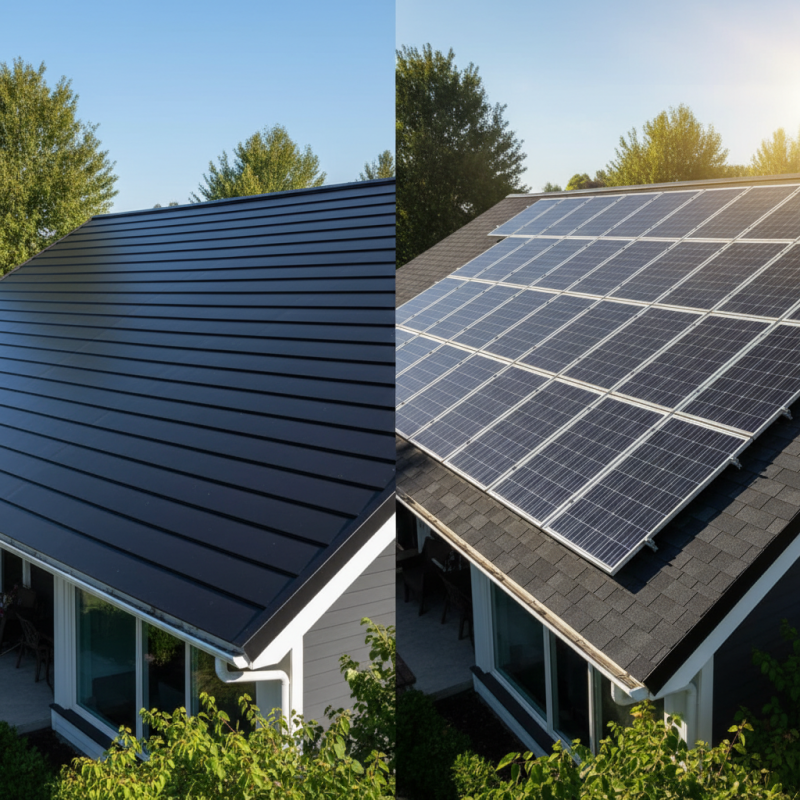
When comparing aesthetics, solar roof tiles and traditional panels present distinct visuals. Solar roof tiles blend seamlessly with traditional roofing materials. They offer a sleek, modern appearance, enhancing curb appeal. Studies indicate that homes with integrated solar tiles can increase property values by up to 15% due to their aesthetic benefits.
In contrast, traditional solar panels often disrupt the architectural harmony. Their boxy and industrial look is less appealing to some homeowners. A report from the National Renewable Energy Laboratory revealed that aesthetics significantly influence 66% of homeowners' decisions when adopting solar technology. Yet, traditional panels are generally more affordable and easier to install.
Selecting between these options involves trade-offs. While solar roof tiles offer style, their costs can be 20-40% higher than traditional panels, leading to financial concerns for some homeowners. This discrepancy raises questions about whether the visual appeal outweighs the financial implications. Ultimately, personal preference plays a crucial role in this decision-making process. Each choice reflects unique priorities and values in the solar energy landscape.
When considering solar roof tiles versus traditional panels, energy efficiency emerges as a crucial factor. Solar roof tiles typically convert sunlight to electricity at a rate between 15% to 20%. Traditional solar panels, on the other hand, often achieve efficiencies of 20% to 22%. Industry reports indicate that while solar tiles may blend aesthetically with roofs, they often yield less energy than conventional solar panels.
It's essential to recognize that the installation process for solar roof tiles can also impact overall efficiency. Installing roof tiles might involve additional labor and costs, which can affect the initial return on investment. Additionally, the adaptability of solar tiles in various architectural designs can challenge energy production metrics since they rely on the specific angle and orientation of the roof.
Tips: Homeowners should evaluate their roof's positioning when choosing between the two options. Consider the angle and direction for maximum sunlight exposure. Furthermore, ensure to consult local energy guidelines. These can affect long-term energy savings and incentives, making a significant difference in your decision. Understanding your unique energy needs is key in this choice.
When comparing solar roof tiles to traditional panels, the cost plays a crucial role. A recent report by the National Renewable Energy Laboratory shows that solar tiles can cost 30% more than conventional panels. Installation is more intricate, potentially leading to higher labor charges. Homeowners should not overlook these upfront costs when making a decision.
Long-term financial analysis is essential for homeowners. A paper from the Solar Energy Industries Association indicates that while solar roof tiles may have a higher initial cost, they can enhance property value. They yield an average increase of 15% in home resale prices. However, the return on investment period can be lengthened compared to traditional panels. This means homeowners should evaluate how long they plan to stay in their home when considering solar options.
Additionally, maintenance costs can differ. Solar tiles may require specialized care, which can lead to unexpected expenses over time. Traditional panels often have established service paths that may be easier and cheaper to access. Homeowners need to consider these factors when determining the best solar solution for their specific scenario. Balancing aesthetic appeal with financial practicality is key.
When comparing the durability and longevity of solar roof tiles versus traditional solar panels, several factors come into play.
Solar roof tiles are designed to last a long time, typically around 25 to 30 years, similar to the lifespan of conventional solar panels. However, industry reports indicate that roof tiles might have a slight edge in longevity due to their integration with roofing materials. This feature allows them to withstand harsher weather conditions without compromising on efficiency.
Solar panels generally require periodic maintenance, but solar tiles are more robust. One study from the National Renewable Energy Laboratory noted that roof tiles can handle intense weather events better, resulting in fewer repairs over time. Despite these benefits, some homeowners worry about replacement costs if a tile does fail; this may impact their long-term investment.
Tip: Regular inspections can help identify potential issues early.
Over time, environmental factors like hail or extreme temperatures can affect both systems. While traditional solar panels can lose efficiency, some solar tiles maintain their performance due to their durable composition. It's crucial to assess your local climate when deciding.
Tip: Research your area's weather patterns before installation.
This understanding will guide more informed choices about which system better fits your property's needs. Always consider long-term durability when investing in renewable energy.
When comparing solar roof tiles and traditional solar panels, the environmental impact is essential. Both options generate clean energy, but their carbon footprints can vary significantly. Solar roof tiles integrate seamlessly with a home's architecture, reducing the need for additional materials. They are often made from sustainable sources, making them a worthy choice for eco-conscious homeowners.
However, the production of both options carries environmental impacts. Traditional panels require mining for materials like silicon, leading to habitat disruption. Though efficient, they usually need frameworks that consume more resources. On the other hand, solar tiles might use more energy in manufacturing, which raises questions about their overall sustainability.
Tips: Opt for solar products with certified sustainability claims. Research and choose options that minimize your ecological footprint. Consider the end-of-life recycling programs available for both types. Assess local conditions to find the best fit for your home. Your choice can greatly influence environmental conservation efforts.
| Category | Solar Roof Tiles | Traditional Solar Panels |
|---|---|---|
| Carbon Footprint (gCO2/kWh) | 40-60 | 20-40 |
| Average Lifespan (years) | 25 | 30 |
| Recyclability (%) | 85 | 95 |
| Energy Output (kWh/m²/year) | 150-200 | 250-300 |
| Installation Cost ($/kW) | 3,500-5,000 | 1,000-3,000 |
| Aesthetic Impact | Integrated Design | Standard Panels |
: Solar roof tiles blend with roofing materials and provide a modern appearance. Traditional panels may disrupt architectural harmony.
A study shows that 66% of homeowners prioritize aesthetics when choosing solar options. This can sway their overall decision.
Yes, solar roof tiles can cost 20-40% more than traditional panels, impacting financial decisions for homeowners.
Solar roof tiles convert sunlight at 15-20%, while traditional panels achieve 20-22% efficiency.
The installation can be complex, impacting costs and energy production, especially regarding roof angle and orientation.
They may increase property value by about 15%, but the return on investment time can be longer than traditional panels.
Yes, solar tiles may need specialized care, leading to potential unexpected costs over time compared to traditional panels.
Very important. The angle and direction of the roof affect sunlight exposure, influencing energy production.
Yes, how long you plan to stay can influence your return on investment and overall financial decision.
Balancing aesthetic appeal with financial practicality is essential for making the best choice based on personal preferences.
The article explores the question "How do solar roof tiles compare with traditional panels?" by analyzing several key aspects. First, it delves into aesthetics, noting that solar roof tiles often blend seamlessly with a home’s architecture, while traditional panels can be more visually intrusive. In terms of energy efficiency, the performance metrics reveal that traditional panels usually offer higher energy output per square meter compared to solar roof tiles.
Additionally, the cost analysis highlights that installation costs may vary, with solar roof tiles potentially being a more significant initial investment, but they can lead to long-term savings on energy bills. Durability and longevity are also examined; solar roof tiles tend to have comparable lifespans but can be more susceptible to damage. Finally, the article assesses the environmental impact, indicating that both options contribute to reducing carbon footprints, though the sustainability of manufacturing processes may differ. Overall, the comparison provides valuable insights for those considering solar energy solutions for their homes.

ApexSun Solar