What is the lifespan of a solar panel? For most quality panels, the practical answer is about 25 to 35 years. However, their electricity output usually declines gradually rather than stopping suddenly. Many manufacturers guarantee around 80% of the original power after 25 years. This figure sounds reassuring, but real performance depends on climate, installation quality, maintenance, and daily exposure.
A panel working under intense heat, coastal salt, heavy snow, or frequent dust may age differently. Small details matter. A shaded corner, loose cable, or cracked seal can reduce production before the panel reaches its expected age. Research from the National Renewable Energy Laboratory supports long-term panel durability, yet field conditions are never perfectly identical. That is worth remembering. A warranty is useful evidence, not a promise that every system will perform equally.
This guide explains ten practical ways to understand and extend solar panel life. It examines degradation rates, panel materials, cleaning routines, ventilation, weather damage, monitoring data, and professional inspections. You will also see why the inverter, mounting structure, and wiring deserve attention. They may require replacement earlier than the panels themselves. A monthly performance check can reveal trouble early, especially when one panel produces noticeably less energy than its neighbors. Still, not every drop signals failure. Seasonal sunlight, cloud cover, and household energy use can create misleading results. Careful records and qualified advice provide a more reliable picture. These ten tips are designed to support sensible decisions, not unrealistic expectations. Proper care helps, but no solar panel remains flawless forever.
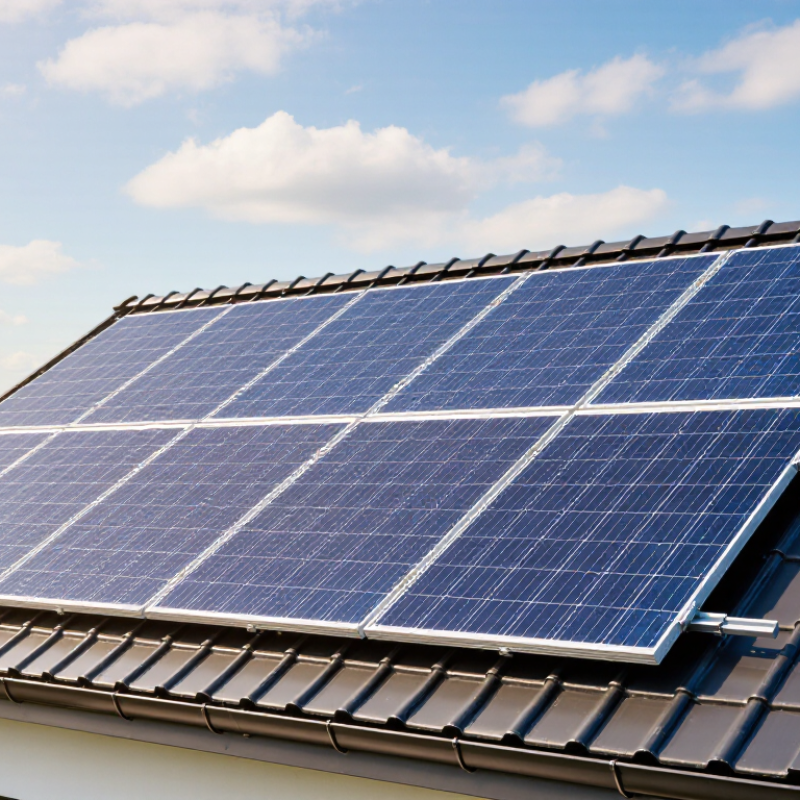
Solar Panel Lifespan: Definition and Typical Service Range
What Is the Lifespan of a Solar Panel 10 Tips?
Solar Panel Lifespan: Definition and Typical Service Range
A solar panel’s lifespan describes how long it produces useful electricity. It does not mean the panel suddenly stops working. Most modern panels provide reliable service for about 25 to 30 years. Many still operate beyond that period, but their output gradually declines. Annual degradation commonly ranges from 0.3% to 0.8%, depending on materials, climate, and manufacturing quality. A neat 25-year figure can mislead.
In practice, heat, moisture, snow, wind, and poor installation affect service life. Panels mounted in hot, poorly ventilated spaces may degrade faster. Coastal air can also accelerate corrosion around frames and electrical connections. During routine inspections, loose cables, cracked glass, and dark cell patches deserve attention. Small defects can become expensive faults. Weather matters. So does installation accuracy.
Owners can track monthly electricity production and compare it with the original forecast. A sudden decline may indicate shading, wiring trouble, dirt, or equipment failure rather than panel aging. Gentle cleaning may help, but abrasive tools can damage the surface. Electrical testing should follow local safety requirements and involve a qualified technician. The inverter often needs replacement before the panels, so a system’s total service range is not identical to panel lifespan. I would avoid promising a precise end date. Real installations rarely age at the same speed. Even careful maintenance cannot remove every uncertainty.
Key Factors That Influence Solar Panel Durability
What Is the Lifespan of a Solar Panel? 10 Tips
Key Factors That Influence Solar Panel Durability
Most solar panels operate for 25 to 30 years, but their power output gradually decreases. Lifespan depends on more than the panel itself. Manufacturing quality matters, yet installation conditions can matter just as much. A well-sealed roof, correct mounting angle, and secure wiring reduce stress during storms. Poor installation may create hidden cracks or loose connections. These problems can appear years later.
Heat speeds material aging. Panels need airflow beneath them, especially in hot climates. Moisture is another concern. Check for damaged seals, rust, and water marks after heavy rain. Strong wind, hail, snow weight, and repeated temperature changes also test the frame and glass. Ultraviolet exposure is unavoidable. Reliable materials slow its effects. Still, no estimate is exact.
Keep the surface reasonably clean, but avoid harsh tools and unsafe climbing. Dust, bird droppings, and leaves can reduce sunlight absorption. Monitoring software can reveal unusual output drops early. Inspect cables and mounting hardware during scheduled maintenance. Shade from new trees may also lower production, even when the panels remain healthy. In field assessments, technicians often find small faults that owners ignored for months. That is an expensive lesson. Annual professional inspections are sensible, although every system does not need the same schedule. A coastal site may require more frequent checks than a dry inland roof. Manufacturer specifications and local weather records provide better guidance than generic promises.
How Solar Panel Performance Changes Over Time
What Is the Lifespan of a Solar Panel? 10 Tips
How Solar Panel Performance Changes Over Time
Solar panels commonly operate for 25 to 30 years, but their output slowly declines. Many panels lose about 0.3% to 0.8% of annual production. After 20 years, a panel may still produce roughly 84% to 94% of its original power. The exact result depends on heat, moisture, installation quality, and materials.
Small losses are normal.
Keep the surface free from thick dust, leaves, and bird droppings. Check energy readings each month, preferably on similar sunny days. Watch for sudden drops, which may indicate wiring, inverter, or shading problems. Inspect nearby trees as they grow. Even a narrow shadow can reduce output noticeably.
Ensure airflow beneath the panels, because excessive heat can lower daytime performance. Examine mounting points after severe storms. Loose hardware deserves prompt attention.
Record cleaning dates and yearly production. These notes make warranty discussions more reliable. Ask a qualified technician to inspect damaged glass, exposed cables, or unusual hot spots. Do not climb onto panels without proper training.
A common mistake is cleaning too often with harsh tools, which may create scratches. Another is assuming lower winter output means permanent damage. Sun angle and shorter days matter.
Performance estimates are useful, but real roofs are rarely perfect. Nearby construction, pollen, and changing weather can quietly alter results. The panel may last decades, yet its supporting electronics often need attention sooner.
Maintenance Practices That Can Extend Panel Lifespan
A solar panel often produces useful power for 25 to 30 years, but neglect can shorten that period. Maintenance begins with observation, not expensive equipment. Check the array every few months for cracked glass, loose cables, dark patches, or water marks. After storms, inspect mounting points from the ground. Do not climb onto panels without proper training and fall protection. A damaged panel can still generate electricity. That makes it easy to miss a serious fault.
Dust, pollen, bird droppings, and leaves can reduce light reaching the cells. Clean panels when deposits remain visible, especially after long dry periods. Use soft water and a non-abrasive brush during cool morning hours. Avoid pressure washers, harsh chemicals, and cold water on hot glass. Local conditions matter more than a fixed cleaning schedule. In dusty areas, monthly checks may be sensible; in rainy areas, less frequent cleaning may work. I would measure energy output before and after cleaning, because appearance alone can mislead.
Keep nearby trees trimmed, but do not remove healthy growth without checking shade patterns. Even a small afternoon shadow can affect a whole string of panels. Review the inverter display and monthly production records for gradual declines. A sudden drop usually deserves inspection by a qualified solar technician. Ask for written readings, photographs, and an explanation of the suspected cause. Maintenance records support warranty decisions and reveal recurring problems. I once assumed a dirty surface caused every loss; shade and a failing connection can look similar. Good maintenance is practical, but it is never guesswork.
When to Repair, Replace, or Recycle Solar Panels
What Is the Lifespan of a Solar Panel 10 Tips?
When to Repair, Replace, or Recycle Solar Panels
Most solar panels produce useful power for 25 to 35 years. The National Renewable Energy Laboratory reports a median degradation rate near 0.5% yearly. A 20-year-old panel may still generate about 90% of its original output. Field experience shows that heat, moisture, hail, loose wiring, and poor installation can shorten this period. Check the inverter, junction box, mounting rails, and visible glass damage. A sudden output drop needs professional testing, not guesswork.
Tip 1: Repair minor faults first. Replace cracked glass, damaged connectors, or failed wiring only after an electrical inspection. Tip 2: Compare repair costs with lost production and the panel’s remaining life. Replacement becomes practical when output falls sharply, repairs repeat, or safety risks appear. The International Energy Agency Photovoltaic Power Systems Programme notes that module waste could reach 60 to 78 million tonnes by 2050. Recycling should be planned before disposal.
Tip 3: Ask local recyclers about collection, material recovery, and documentation. Do not place panels in ordinary household waste. Tip 4: Keep installation records and yearly production data. They reveal gradual decline more clearly than a single inspection. Tip 5: Inspect after severe weather. I have seen small frame damage become water intrusion later. That assumption can be wrong, though; laboratory testing remains necessary. Tip 6: Recycle responsibly when repair costs exceed reliable future generation.
What Is the Lifespan of a Solar Panel?
Most crystalline-silicon solar panels are designed to operate for about 25–30 years. A typical degradation pattern is approximately 2% during the first year and 0.5% per year afterward, leaving about 85% of the original output after 30 years. Repair is generally considered when faults affect wiring, frames, junction boxes, or inverters; replacement is more practical when output loss or physical damage is substantial. At the end of service, panels should be sent to an approved recycling facility.
Conclusion
What is the lifespan of a solar panel? In general, a well-made solar panel can provide useful electricity for about 25 to 30 years, although it may continue operating beyond that period with gradually reduced output. Its durability depends on factors such as material quality, climate, installation angle, wind, heat, moisture, and exposure to debris. Over time, performance normally declines slowly rather than stopping suddenly, so the panel can still generate power after its expected service range.
Regular maintenance can help extend its useful life. Owners should keep the surface reasonably clean, inspect mounting hardware and cables, remove nearby shading where appropriate, and monitor energy production for unusual changes. When output drops significantly, professional inspection can determine whether repair is practical or replacement is more cost-effective. Panels that are no longer suitable for use should be handled through responsible recycling or approved disposal programs, allowing valuable materials to be recovered and reducing unnecessary waste.

 ApexSun Solar