How Do Hybrid Solar Systems Work for Global Buyers?

Time:2026-09-20 Author:Liam
0%

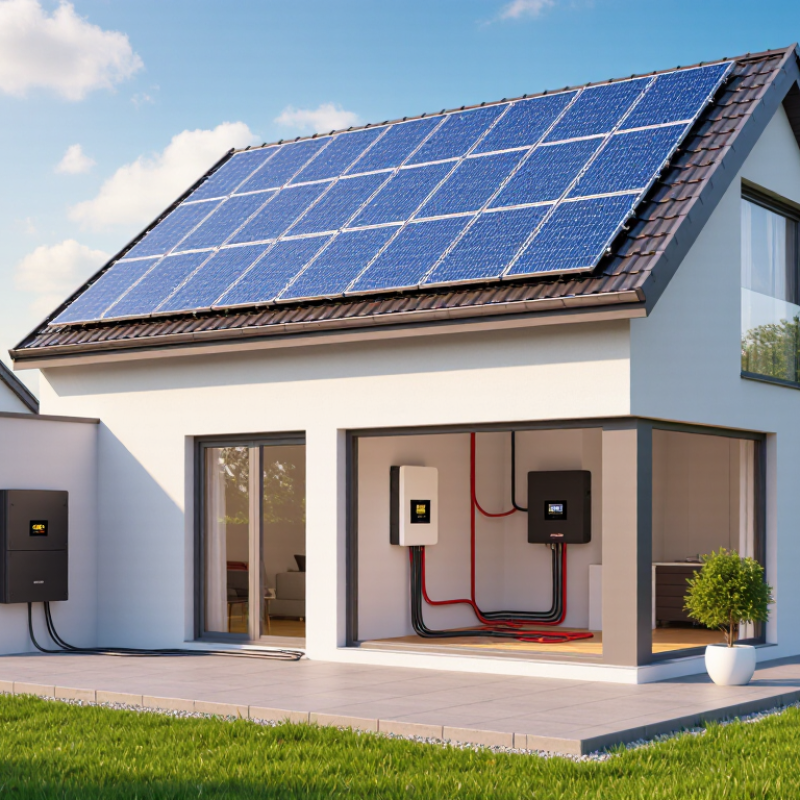
For global buyers, understanding “What are hybrid solar systems and how do they work” begins with one practical idea: solar panels generate electricity, while batteries preserve unused power for later. An intelligent inverter coordinates both sources. It can supply a home, charge the battery, export surplus electricity, or draw power from the grid when necessary.

Dr. Paul Denholm, a senior energy analyst at the National Renewable Energy Laboratory, has stated, “Storage can provide multiple services to the grid.” This principle explains why hybrid systems are gaining attention worldwide. In a sunny Australian afternoon, excess rooftop energy may charge a battery. After sunset, that stored electricity can operate lights, refrigeration, and essential equipment. During an outage, a properly designed system can maintain selected circuits.

The details vary by country. Grid rules, battery standards, weather, tariffs, and installer quality all influence performance. A system that works well in Spain may need different sizing in Kenya, Germany, or Southeast Asia. Battery capacity alone does not guarantee reliable backup. Inverter limits, shading, maintenance, and household demand matter too.

The technology is powerful.

Yet it is not effortless.

Buyers should question advertised savings and request measured assumptions. They should examine warranties, replacement costs, monitoring access, and local service support. Hybrid solar is not a universal formula. It is a flexible energy strategy that requires careful design, honest data, and realistic expectations.
How Do Hybrid Solar Systems Work for Global Buyers?

Hybrid Solar Systems: Definition and Core Components

Hybrid Solar Systems: Definition and Core Components

A hybrid solar system combines photovoltaic panels, battery storage, and a grid connection in one energy network. It produces electricity during daylight and stores unused power for later use. Unlike a basic grid-tied system, it can supply selected loads during an outage. Power is managed.

The solar panels generate direct current, while an inverter converts it into usable alternating current. A hybrid inverter also controls battery charging and discharging. The battery bank stores energy for evening use, cloudy periods, or backup demand. An energy management system decides where power should flow. It may prioritize household loads, battery charging, or grid export. That distinction matters. A backup-load panel can separate essential circuits, such as refrigeration, lighting, and internet equipment. Protective devices, meters, wiring, and disconnect switches complete the installation.

In practical site assessments, roof direction, shading, local voltage, and temperature strongly affect performance. A buyer should verify battery capacity, inverter output, communication functions, and regional electrical requirements. A system sized for lights may not start a pump or air conditioner. Small details matter. Real installations are rarely perfect; generation forecasts can miss sudden clouds, and batteries gradually lose usable capacity. I would also question oversized storage, because unused capacity increases cost without guaranteeing better resilience. Professional commissioning and periodic inspections help reveal these weaknesses before they become expensive faults.

How Solar Energy Is Generated and Managed

How Do Hybrid Solar Systems Work for Global Buyers?

Solar energy begins with photovoltaic modules. Sunlight excites semiconductor cells and creates direct current electricity. An inverter then converts it into alternating current for household or commercial loads.

A hybrid system adds battery storage and intelligent energy controls. During daylight, solar power runs appliances first. Surplus electricity charges the battery. After sunset, stored power supports lighting, refrigeration, pumps, or production equipment. If demand exceeds available energy, the system can draw from the grid or a backup generator, where regulations permit.

The control strategy matters greatly.

The International Energy Agency Photovoltaic Power Systems Programme reported global solar capacity above 1,400 gigawatts at the end of 2023. Ember’s Global Electricity Review 2024 also estimated that solar produced about 5.5% of global electricity in 2023. These figures show scale, but they do not guarantee equal performance at every site.

A buyer should examine solar irradiation, temperature, roof orientation, battery chemistry, and local tariff rules. Oversized batteries may increase cost without improving daily savings. Undersized inverters can restrict production during bright midday hours. Real projects also face dust, cloudy seasons, unstable grids, and maintenance delays. These practical details are easy to underestimate.

Performance estimates should use measured load data, not optimistic assumptions. The National Renewable Energy Laboratory notes that battery efficiency, degradation, and operating temperature affect usable energy. A credible design therefore includes seasonal simulations, safety protections, replacement planning, and transparent warranty terms. Mistakes remain possible. Careful monitoring helps reveal them early.

The Role of Batteries, Inverters, and the Utility Grid

A hybrid solar system combines panels, batteries, an inverter, and the utility grid. During daylight, panels produce direct current, while the inverter converts it into usable alternating current. Household loads receive solar power first. Extra energy charges the battery instead of disappearing. When clouds arrive or evening demand rises, the battery supplies stored electricity. If storage is empty, the grid supports the home automatically. This arrangement feels simple, but settings matter. Poorly sized equipment can waste solar production or shorten battery life.

The inverter acts as the system’s traffic controller. It manages power conversion, battery charging, backup circuits, and grid interaction. A reliable installation should include anti-islanding protection, clear monitoring, and documented test results. These safeguards help prevent unsafe electricity from reaching a disconnected utility line. Battery chemistry, temperature, usable capacity, and cycle limits also affect performance. Buyers should check whether the battery can support refrigerators, pumps, or sensitive electronics during an outage. A high capacity rating alone proves little. Field assessments sometimes overlook startup surges, especially from motors. That mistake can make a promising system frustrating.

Tips: Ask for a daily load profile, not only a panel quote. Confirm local interconnection rules, export limits, warranty terms, and service availability. Keep batteries shaded and dry, with ventilation where required. Request a written backup-load diagram. Small details matter.

How Do Hybrid Solar Systems Work for Global Buyers? - The Role of Batteries, Inverters, and the Utility Grid

System Element Primary Role Typical Energy Flow Common Technical Range Value for Global Buyers Key Selection Considerations
Solar PV Array Converts sunlight into direct-current electricity. PV power first serves active household or commercial loads; surplus power charges the battery or may be exported to the utility grid. System sizes commonly range from a few kilowatts for homes to hundreds of kilowatts or more for commercial installations. Reduces daytime grid purchases and supplies renewable energy to the rest of the hybrid system. Evaluate solar resource, roof or land area, module orientation, shading, temperature, local permitting, and applicable electrical standards.
Hybrid Inverter Manages power conversion and coordinates solar generation, battery charging, loads, and grid interaction. Converts PV and battery direct current into alternating current for loads, while converting grid or generator AC into DC when battery charging is required. Residential units are often sized from approximately 3 to 15 kW; commercial systems may be substantially larger. Efficiency commonly exceeds 90% under suitable operating conditions. Acts as the control center of the system and determines whether energy is self-consumed, stored, exported, or drawn from the grid. Check continuous output, surge capability, MPPT voltage range, phase configuration, grid frequency, backup functionality, protection features, and local certification.
Battery Energy Storage Stores excess electricity for later use and provides backup power during outages. Charges from solar or, where permitted, the grid; discharges during evening demand, high-tariff periods, or grid interruptions. Usable capacity is commonly expressed in kWh. Lithium iron phosphate batteries are widely used because of their thermal stability and long cycle life; usable depth of discharge is often around 80–95%, depending on the design. Improves solar self-consumption, supports energy arbitrage, and reduces dependence on unreliable or expensive grids. Compare usable capacity, continuous power, round-trip efficiency, operating temperature, cycle life, warranty terms, battery management, fire protection, and recycling requirements.
Battery Management System Monitors and protects battery cells during charging and discharging. Measures voltage, current, and temperature, then balances cells and disconnects the battery when operating limits are exceeded. Protection limits vary by battery chemistry and system design. Communication commonly uses wired digital interfaces such as CAN or RS485. Supports safe operation, accurate state-of-charge estimates, and better long-term battery performance. Confirm communication compatibility with the inverter, fault reporting, temperature monitoring, balancing method, and service access.
Utility Grid Provides supplemental electricity and may accept exported surplus energy. Supplies loads when solar and battery power are insufficient; in approved systems, excess generation can be exported under local rules. Most grid-connected markets use either 50 Hz or 60 Hz AC, with single-phase or three-phase service depending on the country and application. Allows a smaller battery or PV system to maintain supply during normal conditions while providing an additional energy source. Review interconnection limits, net-metering or feed-in rules, import and export tariffs, anti-islanding requirements, phase balance, and outage regulations.
Backup Loads Panel Separates essential circuits from non-essential loads during a grid outage. During an outage, the inverter disconnects from the utility grid and supplies selected circuits from the battery and available solar generation. Backup capacity depends on inverter output, battery power rating, starting currents, and the number of connected circuits. Maintains critical services such as lighting, refrigeration, communications, security systems, or selected pumps. Identify priority loads, motor starting requirements, transfer-switch behavior, electrical separation, and the expected backup duration.
Energy Management System Optimizes charging, discharging, solar use, and grid imports according to user priorities. Uses load data, battery state of charge, solar forecasts, time-of-use prices, and grid status to select an operating mode. Common modes include self-consumption, backup reserve, time-of-use shifting, zero-export, and scheduled charging. Helps buyers adapt one system design to different electricity prices, climate conditions, and grid reliability levels. Check monitoring accuracy, local tariff support, internet-independent operation, data privacy, remote diagnostics, and language or regional settings.
Operating Mode: Solar Priority Maximizes direct use of available solar power. Solar energy serves loads first, then charges the battery; remaining surplus may be curtailed or exported if authorized. Most suitable when daytime consumption is high or export compensation is limited. Can increase renewable self-consumption and reduce daytime electricity purchases. Match PV size, daytime load profile, battery charging power, and export restrictions.
Operating Mode: Battery Discharge Uses stored energy when solar production is low or electricity prices are higher. Battery supplies household or commercial loads until the reserve limit is reached; the grid then covers any remaining demand. Discharge duration depends on usable battery capacity and the connected load. For example, a 10 kWh usable battery supplying a continuous 2 kW load can theoretically provide about five hours before conversion losses and reserve limits. Reduces evening grid consumption and can provide predictable backup energy. Consider peak demand, battery power rating, inverter efficiency, reserve percentage, and seasonal changes in load.
Operating Mode: Grid Outage Maintains power to designated backup circuits while preventing unsafe grid backfeed. The inverter isolates the property from the utility grid, forms a local AC supply, and uses the battery and available solar power to serve essential loads. Backup duration is determined by battery energy, load size, solar availability, inverter rating, and programmed reserve capacity. Improves resilience in regions affected by outages, weak grids, extreme weather, or limited fuel availability. Verify automatic transfer time, islanding protection, black-start capability, backup surge rating, local code compliance, and critical-load planning.

How Hybrid Systems Operate Under Changing Energy Conditions

How Do Hybrid Solar Systems Work for Global Buyers?

How Hybrid Systems Operate Under Changing Energy Conditions

A hybrid solar system combines photovoltaic panels, batteries, an inverter, and a grid connection. During bright hours, solar electricity usually serves household or commercial loads first. Extra power charges the battery. Any remaining energy may flow to the grid, depending on local rules and system settings.

Clouds, heat, and changing demand alter this balance quickly. When clouds pass, the inverter adjusts power within seconds. If production falls, the battery supplies the shortfall. During evening hours, stored electricity can reduce grid purchases. If the battery reaches its reserve level, the system switches to grid power or an approved backup source. During an outage, an automatic isolation function prevents electricity from flowing into damaged external lines.

Real operating results depend on more than panel capacity. A battery in a hot equipment room may lose useful life faster. Heavy air-conditioning loads can empty storage before midnight. Installers should review hourly consumption, seasonal sunlight, cable distances, and battery temperature limits. Monitoring data also reveals small problems, such as repeated deep discharges or unusual overnight consumption. No forecast is perfect. A system can look efficient on paper yet perform poorly when users change their habits. Careful commissioning and periodic review make the design more dependable across different climates, tariffs, and energy conditions.

Key Considerations for Global Buyers and Regional Installation Needs

A hybrid solar system combines photovoltaic panels, batteries, an inverter, and the public grid.

It can store midday electricity for evening use or provide backup during outages. This flexibility matters across regions because sunlight, grid reliability, and electricity prices vary widely.

According to IRENA’s Renewable Capacity Statistics 2024, global solar capacity reached about 1,419 GW at the end of 2023. However, strong solar growth does not guarantee simple installation. A buyer in a hot, dusty region may need higher thermal tolerance and regular cleaning. Coastal projects require corrosion protection.

Areas with weak grids may need advanced frequency control and larger battery reserves. BloombergNEF reported that average lithium-ion battery pack prices fell to 115 dollars per kWh in 2024. Lower costs help, but replacement planning remains essential. Batteries still age faster under heat and poor operating settings.

Tips: Request a site-specific energy study before choosing equipment. Check local voltage, frequency, permitting rules, and emergency shutdown requirements. Ask for battery cycle data at the expected temperature, not laboratory conditions. Confirm local technicians can test protection devices and replace critical parts. The cheapest proposal may not be the safest one.

Regional standards can also change the system design. A grid-connected project may need export limits, while an isolated system needs careful load forecasting. Household demand is rarely constant. One overlooked pump or cooling unit can distort the battery calculation.

Hybrid solar is practical, but imperfect forecasts still create expensive surprises.

FAQS

How does a hybrid solar system generate electricity?

Solar panels convert sunlight into direct current electricity. An inverter changes it into alternating current for appliances and equipment. Simple, but settings matter.

What happens to extra solar electricity during the day?

Household loads use solar power first. Surplus electricity charges the battery. If the battery is full, local grid rules may control exports.

How does the system provide power after sunset?

The battery supplies stored electricity for lights, refrigerators, pumps, or production equipment. If storage runs out, the grid may provide support.

What should buyers examine before selecting a system?

Check sunlight levels, roof direction, temperature, load patterns, and local electricity rules. A panel quote alone is not enough.

How can weather and location affect system performance?

Dusty regions may require frequent cleaning. Coastal sites need corrosion protection. Hot conditions can accelerate battery aging. Cloudy seasons reduce production.

Why is battery size not the only important factor?

Usable capacity depends on chemistry, temperature, efficiency, and operating limits. A large battery can cost more without improving daily savings.

Can the system run refrigerators, pumps, and sensitive electronics during outages?

It can, if the inverter handles startup surges and backup circuits are designed correctly. Motor loads may briefly demand much more power.

What installation documents should a buyer request?

Ask for a daily load profile, backup-load diagram, protection test results, warranty terms, and replacement plans. Written details expose weak assumptions.

How should buyers judge performance estimates?

Request seasonal simulations using measured energy data. Optimistic forecasts can fail during cloudy months. Monitoring helps reveal mistakes early.

What maintenance details should be planned?

Keep batteries shaded, dry, and properly ventilated. Arrange cleaning, inspections, and local technical support. Small delays can become expensive problems.

Conclusion

What are hybrid solar systems and how do they work? A hybrid solar system combines solar panels, batteries, an inverter, and a utility-grid connection to improve energy flexibility and reliability. Solar panels generate electricity from sunlight, while the inverter converts and manages that power for household or commercial use. When solar production exceeds demand, the system can store the surplus in batteries or send it to the grid, depending on local regulations and system settings.

When sunlight is limited or energy demand rises, stored battery power can support the load, while the utility grid may provide additional electricity when necessary. This coordinated operation helps users manage changing weather, daily consumption, and potential outages more effectively. For global buyers, important considerations include local sunlight conditions, electricity standards, grid requirements, battery capacity, installation space, maintenance support, and regional safety regulations. Proper system design should match both the user’s energy goals and the practical conditions of the installation location.

Liam

Liam

Liam is a dedicated marketing professional with a profound expertise in the industry, where he excels at highlighting the unique advantages of our core products. With a keen understanding of market trends and consumer needs, Liam frequently updates our company’s professional blog, providing......