As global energy demands rise, the need for effective solar energy storage becomes critical. The International Energy Agency (IEA) reports that solar power could provide up to 25% of global electricity by 2030. However, the challenge remains: how to store solar energy for night use. Energy storage technologies are essential for harnessing solar power’s full potential.
Current storage methods include lithium-ion batteries, pumped hydro, and thermal energy storage. Each method has its benefits and drawbacks. For instance, while lithium-ion batteries are efficient and have a relatively long lifespan, they can be costly and have environmental concerns related to raw material extraction.
Evaluating the best option requires deeper insight into efficiency, cost, and sustainability. Some experts highlight that no solution is perfect. For instance, while pumped hydro is effective, it requires suitable geography. As renewable energy sources grow, understanding how to store solar energy for night use is more important than ever.
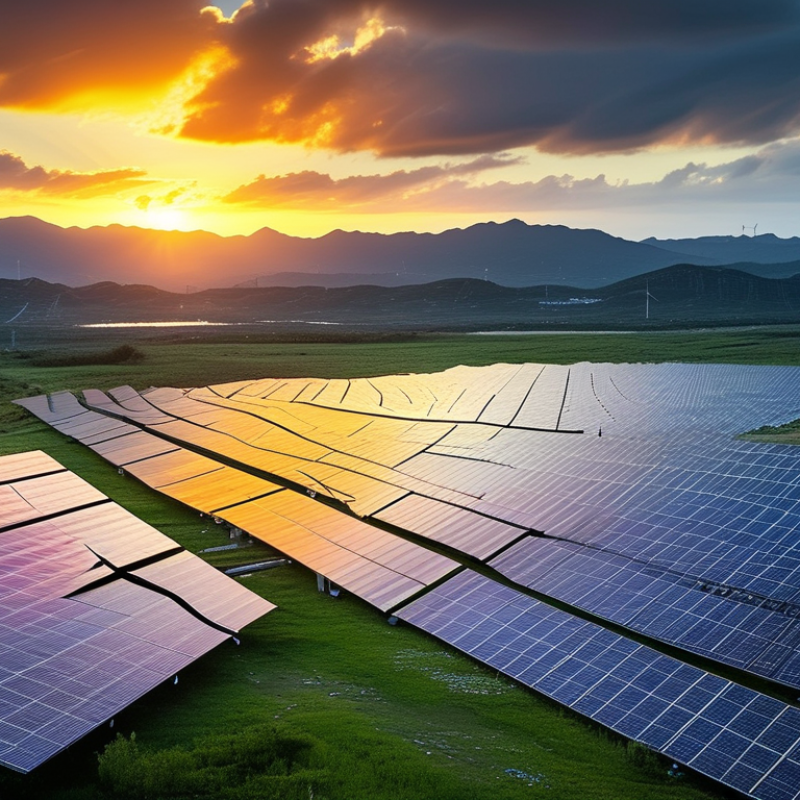
Storing solar energy effectively requires a solid understanding of how energy storage systems work. Solar energy production peaks during sunny days. However, usable energy is often needed at night or during cloudy days. This is where energy storage comes into play.
Batteries are a popular choice for storing solar energy. They convert solar power into chemical energy for later use. Lithium-ion batteries are widely recognized for their efficiency and longevity. However, they can also be costly. Other options include lead-acid batteries, which are cheaper but have a shorter lifespan. Understanding the pros and cons of each type is crucial.
Solar thermal storage is another approach. It involves using heat-collecting systems to store energy in the form of hot water. This method is effective but may require complex infrastructure. Each energy storage solution has its challenges. Optimal selection depends on location, budget, and energy needs. Consider all factors before making a decision.
This chart illustrates the energy storage capacity of various solar energy storage technologies measured in gigawatt-hours (GWh). The data highlights the differences in capacity and effectiveness of each technology for storing solar energy for nighttime use.
Storing solar energy efficiently for nighttime use is crucial for maximizing its benefits. Various energy storage systems can help in this regard. Battery storage is the most common choice. Lithium-ion batteries are popular due to their high efficiency and longevity. They store excess energy generated during the day for later use. However, the cost can be prohibitive for some users.
Another option is pumped hydro storage. This method uses excess solar energy to pump water to a higher elevation. The stored water can then be released to generate electricity at night. This system is highly efficient but requires specific geographical conditions. Additionally, it may require a large initial investment in infrastructure.
Thermal storage systems offer another alternative. These systems use materials like molten salt to store heat produced by solar energy. The heat can then be converted back into electricity or used directly for heating. While effective, these systems can be complicated to install. Each storage system has its pros and cons, requiring careful consideration. Understanding these options can lead to better decision-making for nighttime solar energy use.
Evaluating the efficiency of battery storage versus thermal storage is crucial for effective use of solar energy at night. Batteries, particularly lithium-ion, dominate the market due to their efficiency in energy conversion. A recent report from the International Energy Agency (IEA) indicates that battery storage can achieve an efficiency rate of 90%. However, they have a limited lifespan, often lasting only 5 to 10 years, which raises concerns about sustainability.
On the other hand, thermal storage systems, which store energy in the form of heat, offer an alternative. These systems can utilize materials like molten salt, providing a high capacity and cost-effective solution. Data show that thermal storage can achieve efficiency rates between 60% to 80%, depending on the technology used. They generally have a longer lifespan, with some systems operational for over 30 years. However, system complexity can lead to operational challenges.
For homeowners considering energy storage options, understanding performance metrics is vital. Battery systems excel in energy density but can be pricey and require careful sourcing of materials. Thermal systems may require more space but are excellent for large-scale applications. Both options have strengths and weaknesses, so it's critical to assess your energy needs and infrastructure before making a choice.
Storing solar energy for nighttime use has become a vital challenge. Innovative technologies are emerging to tackle this. One promising solution is energy storage systems, particularly lithium-ion batteries. These batteries can store excess energy captured during the day. They release it when the sun goes down. However, battery lifespan and efficiency are common concerns. Overcharging can decrease their effectiveness.
Another interesting approach involves thermal energy storage. This technology captures heat generated by solar panels. It stores the heat in materials like molten salt or stones. At night, this stored heat can be used to produce steam, driving turbines for power generation. While this method is effective, it also raises questions about efficiency loss over time.
Furthermore, scientists are exploring chemical storage solutions, such as converting solar energy into fuel. This involves using sunlight to power chemical reactions, creating fuels that can be stored and used later. While this technology is still in its infancy, it holds great promise. Yet, the complexity and costs involved pose significant challenges. Each technology presents unique advantages and drawbacks that require careful assessment.
Integrating energy storage with solar systems is essential for maximizing efficiency and ensuring a reliable power supply at night. A common approach is using lithium-ion batteries. They are popular due to their high energy density and longevity. However, they can be costly and may require careful monitoring to avoid overheating. Understanding the specific energy needs of your household is crucial. This step can prevent over-sizing the system, which often leads to unnecessary expenditure.
Another beneficial method is incorporating thermal storage. This involves using solar energy to heat water or materials during the day. At night, the stored heat can be used for various applications. This technique is especially effective in regions with a high demand for heating. However, the implementation can be complex and may warrant expert consultation.
Monitoring your system's performance is vital. Regular checks can reveal inefficiencies and provide opportunities for improvements. Factors such as battery degradation and energy loss should not be ignored. Maintenance plans are often overlooked but are key to ensuring long-term functionality. Learning from operational challenges can empower households to make better choices in integrating storage solutions.
: Energy storage allows the use of solar energy at night or during cloudy days.
Lithium-ion and lead-acid batteries are popular choices. Lithium-ion batteries are efficient but costly.
Lithium-ion batteries can achieve an efficiency rate of 90%. However, they have a limited lifespan of 5 to 10 years.
Solar thermal storage uses heat-collecting systems to store energy as hot water. It can be complex but effective.
Thermal storage can reach efficiency rates between 60% to 80%, varying with technology.
Consider location, budget, energy needs, and the complexity of the system before deciding.
Some thermal storage systems can operate for over 30 years, offering longevity.
Yes, battery systems need careful sourcing of materials, which can complicate decisions.
Yes, their complexity may lead to operational issues that need to be managed.
Lead-acid batteries are cheaper but have a shorter lifespan compared to lithium-ion.
Storing solar energy for nighttime use is essential for maximizing the benefits of solar power. Understanding the basics of solar energy storage is the first step, which includes recognizing various types of storage systems such as batteries and thermal storage. Each type has its own advantages, and evaluating their efficiency is crucial for selecting the right system for specific needs.
Innovative technologies are continually emerging to enhance the effectiveness of nighttime solar energy use, driving advancements in the field. Best practices for integrating storage with solar systems involve proper planning and installation techniques to ensure that energy collected during the day can be efficiently utilized after sunset. By learning how to store solar energy for night use effectively, homeowners and businesses can achieve greater energy independence and sustainability.

ApexSun Solar