10 Best Tips for Installing Solar Powered Outdoor Lighting?

Time:2026-05-28 Author:Sophia
0%

Solar-powered outdoor lighting has gained immense popularity. Studies show that the global solar lighting market is expected to grow by 18% annually until 2026. This growth highlights the increasing interest in sustainable living. Homeowners are looking for eco-friendly solutions to enhance outdoor spaces.

Understanding how to install solar-powered lighting outdoors is crucial. Proper installation ensures maximum efficiency and longevity. Factors like sunlight exposure, location, and fixture type significantly influence performance. Yet, many people overlook these essentials. It is not uncommon to see improperly placed lights that fail to charge adequately.

Truly understanding solar lighting requires practical experience. It is essential to learn from past installations, both successful and unsuccessful. Individuals sometimes face challenges with battery performance or light brightness. Reflecting on these issues can lead to better results. Embracing this journey will ensure your outdoor lighting is effective and sustainable.
10 Best Tips for Installing Solar Powered Outdoor Lighting?

Understanding Solar Powered Outdoor Lighting: Key Advantages

Solar powered outdoor lighting offers several key advantages for homeowners. One significant benefit is energy efficiency. These lights harness solar energy during the day and illuminate your outdoor space at night. This process cuts down on electricity bills and reduces carbon footprints. Many users find this sustainability fitting for modern life.


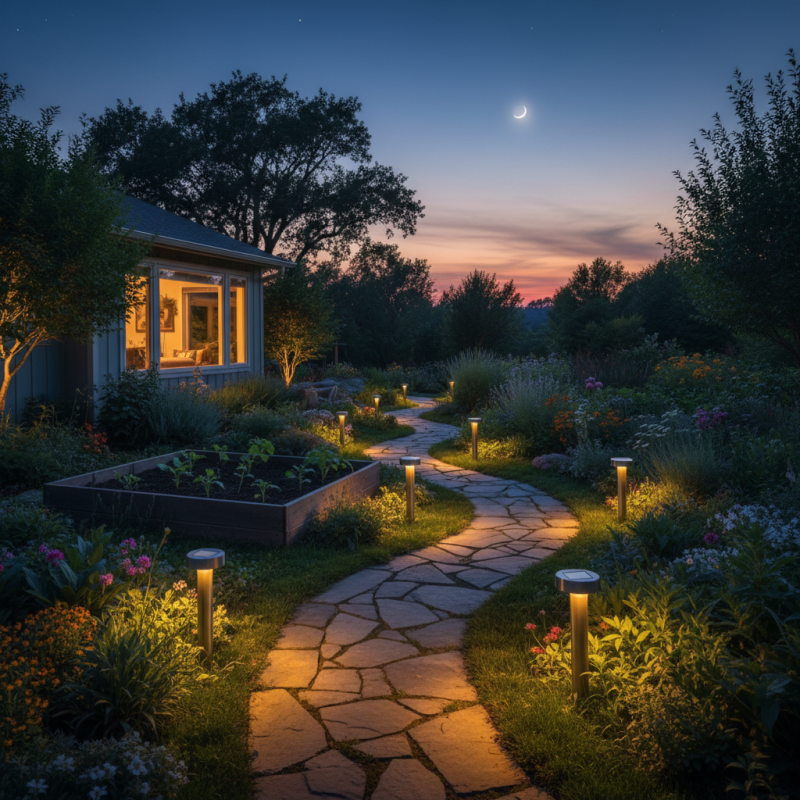
Another advantage is the ease of installation. Solar lights do not require complicated wiring or professional help. Homeowners can place them anywhere there is sunlight. This convenience allows for creativity in design. For example, pathway lights can highlight garden features or mark edges for safety.


However, potential challenges exist. Not every location receives sufficient sunlight. It's crucial to assess your yard before making a purchase. Some users report inadequate brightness during winter months. This can lead to disappointment if expectations aren't aligned. Overall, solar powered outdoor lighting can elevate your space, but careful consideration is essential.

Evaluating Your Outdoor Space for Optimal Solar Panel Placement

Evaluating your outdoor space is crucial for optimal solar panel placement. The efficiency of solar-powered outdoor lighting relies heavily on sunlight exposure. A recent report from the U.S. Department of Energy highlighted that the positioning of solar panels can influence energy generation by up to 30%. Therefore, it's vital to assess areas that receive the most sunlight throughout the day.

Start by identifying obstacles that may shade the solar panels. Trees, buildings, or even fences can dramatically reduce sunlight exposure. Consider the sun's path and note the hours of peak sunlight. Ideally, solar lights should be placed in open areas. A study by the Solar Energy Industries Association found that 70% of homeowners reported better performance after strategic lighting placement. However, mistakes can occur. Panels poorly aligned or shaded by vegetation may underperform.

Reflect on seasonal changes that impact light availability. Deciduous trees may offer shade in summer but allow more sunlight during winter. This cycle affects how effective your solar lights will be year-round. Regular evaluations of your outdoor space and adjustments to panel placement can lead to enhanced performance. Solar lighting is an investment in sustainability, yet requires thoughtful planning.

Choosing the Right Solar Lights: Types and Specifications

When choosing solar powered outdoor lighting, consider the different types available. Path lights are great for illuminating walkways. They typically have a low profile and can be strategically placed to enhance safety. Flood lights, on the other hand, offer a broader beam and are ideal for larger areas. If you have decorative needs, string lights can add charm while providing illumination.

Specifications matter too. Look for lights with solar panels that have a high efficiency rating. The battery capacity is crucial; larger batteries provide longer illumination times. Also, the brightness, measured in lumens, should match your needs. For instance, a cozy ambiance might require fewer lumens compared to security lighting. Selecting lights with adjustable features can also provide versatility. However, not all solar lights perform well on cloudy days. It's essential to consider your local weather conditions when making a choice.

Installation may seem straightforward, but proper placement is key. Avoid areas with excessive shade from trees or buildings, as this can affect performance. Test the lighting in different spots to find the optimal location. Some units may not absorb sunlight effectively, leading to dim performance at night. Don’t overlook the importance of material durability. Fixtures should withstand outdoor elements to ensure longevity. Keep these points in mind for a successful solar lighting setup.

Installation Techniques for Maximum Efficiency of Solar Lights

Installing solar-powered outdoor lighting can greatly enhance your outdoor space while promoting sustainability. To ensure maximum efficiency, it's crucial to choose the correct location for the fixtures. Aim for areas that receive direct sunlight for at least six hours daily. According to the Solar Energy Industries Association, optimal exposure can increase solar light performance by up to 50%. Avoid shaded spots from trees or buildings.

Proper installation techniques are also essential. Secure fixtures on stable surfaces to prevent movement in strong winds. The angle of solar panels matters. Position them at a tilt to capture sunlight more effectively. Research shows that adjusting panels for seasonal changes can maintain efficiency throughout the year. Check for dirt or debris on the panels regularly; even minor obstructions can significantly reduce energy collection.

It’s worth noting that while solar lights can work efficiently, they may face limitations in areas with frequent cloud cover. The battery life can also be affected during winter months with less sunlight. Understanding your specific environment helps in making adjustments to maximize performance. Keep these factors in mind as you embark on your solar lighting project.

10 Best Tips for Installing Solar Powered Outdoor Lighting
Tip Description Benefits Common Mistakes
Choose the Right Location Install lights in areas with direct sunlight for optimal charging. Increases battery life and light efficiency. Placing lights in shaded areas.
Angle Solar Panels Tilt solar panels toward the sun's path. Maximizes energy absorption. Setting them flat can reduce charging efficiency.
Check Battery Capacity Use lights with sufficient battery storage for your needs. Ensures lights stay on longer during night. Ignoring battery specifications.
Clean Solar Panels Regularly Remove dust and debris from panels. Maintains charging efficiency. Neglecting cleaning them.
Use Quality Materials Choose durable and weather-resistant fixtures. Longer lifespan of lights. Purchasing cheap materials.
Avoid Obstructions Keep lights free from nearby bushes or structures. Ensures maximum light output. Installing near potential blockages.
Utilize Motion Sensors Install lights with sensors for energy saving. Conserves battery life. Ignoring power-saving features.
Test Lights After Installation Ensure all lights are functioning properly. Identifies any faults early. Forgetting to conduct a test.
Position Lights for Aesthetics Arrange lights to enhance landscape design. Improves outdoor ambiance. Ignoring visual aspects.

Maintenance Tips for Prolonging the Lifespan of Solar Lighting Systems

Maintaining solar-powered outdoor lighting systems is crucial for their longevity. Regular cleaning can enhance their performance. Dust and debris can accumulate on solar panels, blocking sunlight. Wipe them down once a month with a damp cloth. This simple task can make a significant difference in their efficiency.

Battery care is another important aspect. Most solar lights use rechargeable batteries. Over time, these batteries may degrade. Consider replacing them every couple of years. It's also wise to check the connections and wiring periodically. Loose connections can lead to flickering lights or complete failure.

Additionally, placement matters. Ensure that solar lights are in areas that receive ample sunlight during the day. A shady spot may limit their charging capabilities. Seasonal changes can affect performance; adjust their position as needed. Remember, neglecting these maintenance tips can shorten their lifespan. Make these practices a routine to enjoy consistent and reliable lighting in your outdoor spaces.

Maintenance Tips for Prolonging the Lifespan of Solar Lighting Systems

FAQS

: What are the benefits of solar powered outdoor lighting?

: Solar powered outdoor lighting is energy efficient and reduces electricity bills. It also has a positive impact on the environment.

How easy is it to install solar lights?

Installation is simple and does not require any wiring. You can place the lights anywhere they receive sunlight.

Can solar lights work in all locations?

No, not every location gets enough sunlight. Assess your yard's sunlight availability before purchasing.

Do solar lights provide sufficient brightness in winter?

Some users report lower brightness during winter months. This can be disappointing if not anticipated.

How can I maintain my solar lighting systems?

Regular cleaning is key. Wipe solar panels monthly to prevent dust build-up that hinders sunlight absorption.

How often should I replace the batteries in solar lights?

Consider replacing rechargeable batteries every few years. They can degrade over time and affect performance.

What should I check to ensure my solar lights work well?

Check the connections and wiring regularly. Loose connections can cause flickering or failure of the lights.

Do I need to move my solar lights seasonally?

Yes, seasonal changes can affect performance. Adjust the placement based on sunlight exposure as needed.

What happens if I neglect solar light maintenance?

Neglecting maintenance can shorten the lifespan of the lights. Regular care is crucial for reliable outdoor lighting.

Is creativity important in designing with solar lights?

Absolutely. Solar lights allow for creativity in outdoor design. Use them to highlight features or enhance safety.

Conclusion

Installing solar-powered outdoor lighting can significantly enhance the beauty and security of your outdoor space while being environmentally friendly. To begin, it's essential to understand the key advantages of solar lights, such as energy efficiency and ease of installation. Evaluating your outdoor space carefully for optimal solar panel placement ensures that the lights receive maximum sunlight throughout the day.

When considering how to install solar-powered lighting outdoors, it's crucial to choose the right type of solar lights based on your specific needs, whether for decorative purposes or security. Proper installation techniques can further maximize the efficiency and brightness of the lights. Lastly, regular maintenance is vital for prolonging the lifespan of your solar lighting systems, ensuring they continue to function effectively through various weather conditions. With these tips, you can create a well-lit and inviting outdoor atmosphere.

Sophia

Sophia

Sophia is a dedicated marketing professional with an exceptional depth of knowledge about her company's products and services. With a keen understanding of market trends and customer needs, she crafts insightful blog posts that not only inform but also engage readers, enriching the company’s online......