How to Clean Solar Panels Safely 7 Easy Tips?

Time:2026-09-15 Author:Oliver
0%

How to clean solar panels safely is less about making the glass shine and more about protecting people, equipment, and energy output. Dust, pollen, bird droppings, and salt can form a dull film across the surface. However, cleaning too aggressively may scratch the panels or damage seals.

Solar maintenance educator Andy Sendy offers a useful warning: “Don’t clean solar panels unless there is a reason.” That advice matters. Light dust may disappear after rain, while thick droppings can create stubborn shaded spots. Before touching anything, check the manufacturer’s instructions and inspect the roof from ground level. Never climb onto panels. Never work near wet electrical connections.

This guide introduces seven easy tips for safer cleaning. They include choosing a cool morning, using clean water, selecting a soft brush, and avoiding abrasive chemicals. A hose with gentle pressure is often enough. A squeegee can help prevent mineral marks, but its rubber edge must remain clean. Small grit trapped under a cloth can leave visible scratches.

Personal experience can be misleading here. A panel may look dirty without losing much power, while one dark patch can matter more than expected. Monitoring production before and after cleaning provides better evidence than appearance alone. If the array is steep, high, fragile, or difficult to reach, hire a qualified solar professional. Safety should not become an experiment. Even careful homeowners can miss hidden hazards, especially around cables, inverters, and slippery roof surfaces.
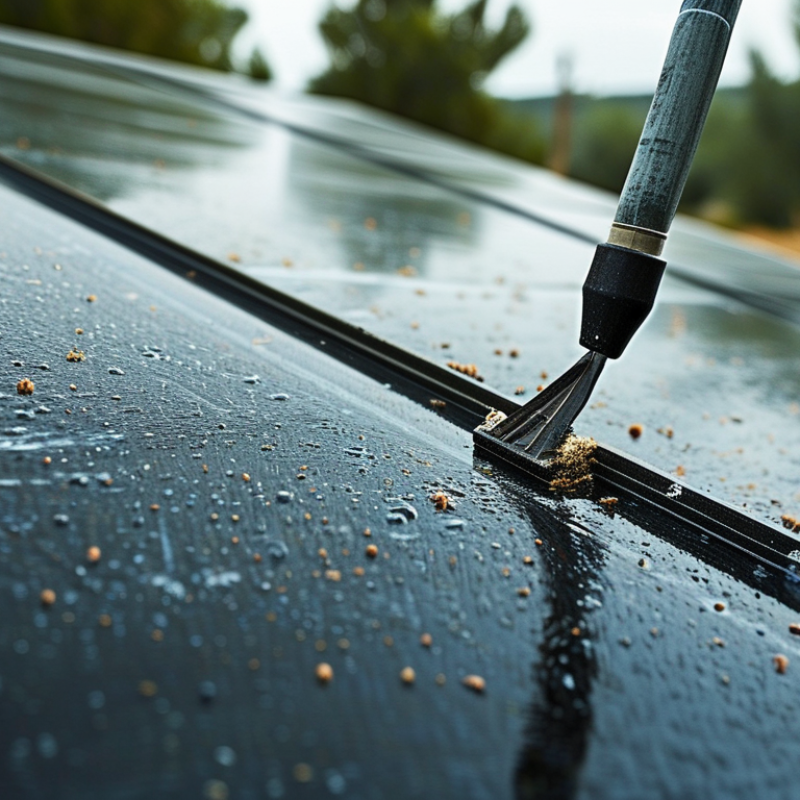
How to Clean Solar Panels Safely 7 Easy Tips?

Check Weather and Prepare the Right Solar Panel Cleaning Tools

Safe solar panel cleaning begins with the forecast, not the bucket. Choose a cool, dry morning with light wind and no storm warning. Hot glass can dry water quickly and leave mineral spots. The IEA PVPS Task 13 report estimates common annual soiling losses at about 2–7%, depending on site conditions. Rain is not a cleaning plan.

Check seven practical details before touching the array.

One, read the installer’s maintenance instructions.

Two, isolate equipment only as directed by a qualified professional.

Three, wear non-slip gloves and avoid climbing onto panels.

Four, prepare a soft, non-abrasive brush, rubber squeegee, and clean water.

Five, use a low-pressure hose, never a pressure washer.

Six, keep buckets and tools away from roof edges.

Seven, stop immediately if cables, glass, or mounting parts look damaged.

SolarPower Europe’s O&M Best Practice Guidelines recommend site-specific cleaning decisions. Dust, pollen, bird deposits, and rainfall vary sharply between locations. A dry cloth may seem convenient, but it can drag grit across the surface. Use gentle passes from the top, rinsing the brush often. Do not clean cracked modules or work near exposed electrical parts. I still recheck the weather before starting; forecasts change, and one rushed cleaning is not worth a fall.

Turn Off the Solar System and Inspect Panels for Damage

Before cleaning solar panels, turn off the entire solar system according to its operating manual. Shut down the inverter, then isolate the appropriate electrical disconnects. Never assume the panels are harmless because the inverter display is blank. Sunlight can still generate voltage, even during a system shutdown.

Inspect the panels from the ground first. Look for cracked glass, lifted frames, dark patches, loose cables, corrosion, and water inside junction boxes. A quick glance can miss a hairline crack. I once overlooked a small frame gap that later allowed moisture to spread. That mistake taught me to use binoculars and inspect in steady daylight. If you must access the roof, use proper fall protection and avoid stepping on the panels.

Do not wash damaged equipment. Do not touch exposed wires or broken glass. Photograph each concern, record its location, and contact a qualified solar electrician for testing. A professional can confirm whether the system is fully isolated and determine if cleaning is safe. Dust may look harmless, but grit can scratch the surface when rubbed with a dry cloth. Wait for approval before using water, a soft brush, or a low-pressure hose. Be cautious. Safety checks should take longer than the cleaning itself.

How to Clean Solar Panels Safely: 7 Easy Tips

Follow these actions in order before and during solar panel cleaning.

The chart shows seven practical safety actions in recommended sequence. The numbers indicate step order, not a measured risk score. Always follow the system manufacturer’s instructions and use a qualified professional when panels are difficult to access or damaged.

Remove Loose Dust and Debris Without Scratching the Surface

How to Clean Solar Panels Safely: 7 Easy Tips

Before cleaning, switch off the solar system according to the equipment instructions. Work from the ground when possible, because wet roofs become extremely slippery. Choose a cool, calm morning. Hot glass can dry water too quickly and leave mineral marks. Inspect the surface first. Remove leaves, twigs, and loose dust with a soft, clean brush made for delicate glass. Never scrub dry grit across the panel. That causes scratches.

Rinse the panel gently with a regular garden hose. Use low water pressure and spray from the upper edge downward. Avoid pressure washers, harsh detergents, abrasive sponges, and metal tools. For stuck bird droppings or mud, soak the area for several minutes. Then lift the softened debris with a soft microfiber cloth or a non-abrasive sponge. Keep the tool flat and use light strokes. Do not drag a trapped pebble across the glass.

Rinse again until no particles remain. A clean rubber squeegee can reduce water spots, but check that its edge is free from sand. In routine maintenance, small scratches often come from rushed wiping rather than serious dirt. I once assumed a panel was clean after one rinse; sunlight later revealed a thin film near the frame. Inspect from different angles, especially around edges and mounting points. If dust returns quickly, cleaning too often may create more risk than benefit. Do not rush. Safety matters more than perfect shine.

How to Clean Solar Panels Safely 7 Easy Tips? - Remove Loose Dust and Debris Without Scratching the Surface

Tip Safe Cleaning Action Recommended Tools or Conditions What to Avoid Reason and Practical Benefit
1 Choose a cool, dry period, preferably early morning or late afternoon. Clean when the glass is cool and sunlight is not intense. Check the local weather forecast first. Do not pour cold water onto hot panels. Cool glass reduces the chance of thermal stress, while dry conditions make loose dust easier to remove before it forms muddy residue.
2 Inspect the system and remove large debris by hand only when it can be reached safely from the ground. Use clean gloves and a soft, dry cloth or soft-bristled brush for leaves, twigs, and other loose material. Do not climb on the panels or use sharp objects to lift stuck debris. Large debris can trap moisture and shade cells, but walking on modules may cause cracks, scratches, or hidden damage.
3 Rinse away loose dust before any contact cleaning. Use clean water with a gentle hose flow or low-pressure rinse. Work from the upper edge downward. Do not use a pressure washer or a concentrated jet close to the glass, seals, or wiring. Pre-rinsing removes abrasive grit that could scratch the surface when a brush or cloth is used.
4 Wash stubborn dirt with a soft, non-abrasive tool. Use a clean microfiber cloth, sponge, or soft-bristled brush with clean water. Use a mild, non-abrasive cleaner only if the panel-care instructions allow it. Avoid scouring pads, abrasive powders, rough rags, solvents, and strong household chemicals. Solar-panel glass has an exposed surface coating and is designed to be cleaned without aggressive abrasion.
5 Use light pressure and short, overlapping strokes. Clean one small section at a time. Rinse the cloth or brush frequently so trapped grit is not dragged across the glass. Do not scrub forcefully or repeatedly rub dry dirt across the panel. Gentle, controlled movement reduces the risk of micro-scratches and helps prevent uneven cleaning marks.
6 Rinse thoroughly and remove excess water when mineral spotting is a concern. Use clean water for the final rinse. A soft rubber squeegee with a clean edge can be used from top to bottom. Do not let dirty wash water dry on the glass, especially in areas with hard water. Drying mineral-rich water can leave deposits that reduce light transmission and make future cleaning more difficult.
7 Set a cleaning schedule based on local conditions and monitor performance. Do not assume frequent cleaning is always necessary; do not ignore persistent output losses. Rain may remove some loose dust, but it does not reliably remove bird droppings, oily residue, or hardened deposits. Unusual power loss may require a qualified inspection.

Wash Solar Panels Gently With Clean Water and a Soft Brush

How to Clean Solar Panels Safely: 7 Easy Tips?

Solar panels usually need gentle cleaning, not aggressive scrubbing. Clean them early in the morning, when the glass is cool and shaded. Hot panels can dry water too quickly, leaving mineral marks. Before washing, switch off the system according to the installation instructions. Never step on the panels, and avoid spraying water directly toward electrical connectors. Use a garden hose with low pressure and clean water. A soft brush with a long handle can loosen dust without scratching the surface. I once underestimated how quickly rooftop heat could dry water. That small mistake left visible spots.

Tips: Start at the highest panel and work downward. Move the brush lightly in straight strokes. Rinse often, because trapped grit can act like sandpaper. Avoid metal tools, rough sponges, strong chemicals, and pressure washers. Bird droppings may need a few minutes of soaking before gentle removal. If the roof is steep, wet, or difficult to access, hire a qualified solar technician. Safety matters more than a perfectly clean panel. Hard water may require filtered or deionized water, especially in dry regions. Check the panels from the ground afterward. Look for remaining dirt, cracked glass, or loose wiring. Some cleaning schedules are too frequent, while neglected panels can lose useful performance. Local dust, pollen, and rain patterns should guide your decision.

Dry, Recheck, and Plan a Safe Routine Cleaning Schedule

Safe panel cleaning begins with a dry inspection. Look for cracked glass, loose wiring, heavy dirt, or nesting material. Do not touch damaged equipment. Never walk on panels, and avoid rooftop work without proper training or fall protection.

Choose a cool, cloudy morning, because hot glass can crack after sudden contact with water. Follow the system manual and shut down equipment as instructed. Use clean water, a soft brush, and a squeegee with a long handle. Avoid abrasive pads, strong chemicals, and high-pressure sprays. Start from the upper edge, letting water move downward. Keep your feet on stable ground whenever possible. It is safer to hire a qualified technician for steep or difficult roofs.

Let the panels dry naturally, then recheck the surface in bright light. Look for streaks, missed bird droppings, standing water, or exposed cables. Check the system display only when the area is dry and safe. I once cleaned too quickly and missed a thin pollen film near the frame. The energy reading stayed lower than expected. That mistake taught me to compare output before and after cleaning, rather than trusting appearance alone.

Plan cleaning around local conditions. Dusty roads, pollen, salt air, and long dry periods may require monthly checks. Areas with regular rain may need less frequent washing. Keep a simple log with the date, weather, visible buildup, and energy performance. Review it every few months and adjust the routine carefully. A fixed schedule sounds convenient, but your roof and climate may prove it wrong.

FAQS

What weather is best for cleaning solar panels?

Choose a cool, dry morning with light wind. Hot glass dries water quickly and leaves mineral spots. Avoid storms and strong sunlight. Rain is not a cleaning plan.

What tools should I prepare?

Use a soft, non-abrasive brush, clean water, a rubber squeegee, and a microfiber cloth. A low-pressure garden hose is suitable. Avoid pressure washers, metal tools, harsh detergents, and abrasive sponges. Keep tools away from roof edges.

Should I turn off the solar system before cleaning?

Yes. Follow the equipment manual and shut down the inverter as directed. Isolate electrical parts only when qualified instructions allow it. A blank display does not prove the panels are harmless. Sunlight can still create electrical voltage.

What damage should I inspect before washing?

Check for cracked glass, lifted frames, dark patches, loose cables, corrosion, and moisture inside junction boxes. Inspect from the ground first. Binoculars can reveal a small frame gap or hairline crack. Do not wash damaged equipment.

How can I remove loose dust without scratching the glass?

Use a clean, soft brush to remove leaves, twigs, and loose dust. Never rub dry grit across the surface. Brush gently from the upper edge downward. Rinse the brush often.

How should I clean stuck bird deposits or mud?

Soak the area with clean water for several minutes. Then lift the softened material with a microfiber cloth or soft sponge. Keep the tool flat and use light strokes. Do not drag a trapped pebble across the glass.

Is a pressure washer safe for solar panels?

No. High pressure can stress glass, seals, cables, and mounting parts. Use a gentle hose spray instead. Rinse from the upper edge downward. Safety matters more than a perfect shine.

How often should solar panels be cleaned?

Cleaning needs depend on dust, pollen, bird deposits, and local rainfall. Typical soiling losses may reach about 2–7% yearly. Frequent cleaning can create extra risk. I once trusted one rinse, but sunlight exposed a thin film near the frame. Inspect from different angles before cleaning again.

Conclusion

How to clean solar panels safely starts with choosing a cool, calm day and preparing the proper tools, such as clean water, a soft brush, and a non-abrasive cloth. Before beginning, switch off the solar system according to its operating instructions and carefully inspect the panels for cracks, loose parts, or other damage. If you notice a safety concern, stop and seek professional assistance.

Next, gently remove leaves, dust, and other loose debris without dragging sharp particles across the surface. Wash the panels with clean water and use a soft brush with light pressure to loosen remaining dirt. Avoid harsh chemicals, abrasive materials, and excessive force. After washing, allow the panels to dry or wipe them carefully with a clean, soft cloth. Recheck the surface for missed spots or damage, then create a safe cleaning schedule based on local weather and environmental conditions. Regular, gentle maintenance can help keep the panels clean and operating efficiently.

Oliver

Oliver

Oliver is a seasoned marketing professional with a wealth of expertise in driving brand awareness and engagement. With a deep understanding of our company's product offerings, he consistently delivers high-quality content that enriches our professional blog. His insights not only shed light on......